James D. Watkins Quotes
We must recognize the chief characteristic of the modern era - a permanent state of what I call violent peace.
Watkins, James D. "The Maritime Strategy." U.S. Naval Institute Proceedings, vol. 112, no. 1, U.S. Naval Institute, Jan. 1986, p. 4.


This was the 14th part of the Japanese reply to a previously made American peace proposal. The Japanese policy was to unite all of Asia into a co-prosperity sphere controlled by Japan where Japan would militarily conquer those Asian countries which did not “voluntarily” want to join. The Japanese were in the process of conquering China and the United States and Britain had embargoed oil and other material to Japan trying to pressure them to withdraw their troops from China and cease Japanese conquest by force. Japan believed that it was their right to conquer and control Asia and it was beneficial to the region, and that the U. S. and Britain had no right to curtail the expansion that Japan required to assure raw materials and other necessities. At the very time that these negotiations were on going, the Japanese fleet was sailing for the sneak attack on Pearl Harbor. The attack took place the very day this part of the Japanese reply was received.

Andrew Carnegie was then President of the New York Peace Society.


The CIA was supplying planes and pilots to assist anti-Government rebels in their efforts to overthrow Sukarno. Meanwhile, the Secretary of State and other American officials were insisting that America had no involvement in the Indonesian civil war. See {591337}.


Although Great Britain had abolished slavery, British economic interests during the Civil War suffered because of the northern blockade of the South. Much political opinion in England was hostile to the blockade policies of the Union. Bright, a great admirer and supporter of the United Sates and the Union cause was concerned that the United States might drift into War with Great Britain. His letter to Senator Sumner was written with the understanding that it would be in shared with President Lincoln, and it was actually read at a cabinet meeting.
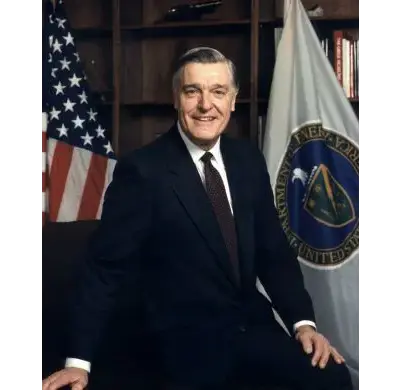
James David Watkins was a United States Navy admiral and former Chief of Naval Operations who served as the United States Secretary of Energy during the George H. W. Bush administration, also chairing U.S. government commissions on HIV/AIDS and ocean policy. Watkins also served on the boards of various companies and other nongovernmental organizations and as the co-chair of the Joint Ocean Commission Initiative.
