George Aiken Quotes
We have won the war in the sense that our armed forces are in control of the field and no potential enemy is in a position to establish authority in South Vietnam.
The senator proposed that the U. S. withdraw its forces from Vietnam and declare victory:
George Aiken, 1892-1984, Vermont Governor (Republican), U. S. Senator (Republican, VT), Speech, October 19, 1966
Sourced by: Eigen's Political and Historical Quotations


1st Earl of Beaconsfield. Contrast this statement with that of Neville Chamberlain returning from Munich in 1941. Disraeli had threatened war and forced the Russians to accept all the British demands by diplomatically isolating them first and moving armed troops into position just before the peace conference.


Chivington led troops to attack hostile Indians. When they arrived at Sand Creek, the most militant young Indian men had left. The others did not want to fight, displayed white flags and wanted to negotiate. Chivington made his famous statement, attacked the Indians and massacred most of them including the ones who were trying to surrender with white flags. See {597566}.

He was the spokesperson for Secretary of Defense Donald Rumsfeld and the Administration’s Iraq War effort. It has never been ascertained whether the George W. Bush Administration was deliberately lying about the Iraq invasion or whether they were terribly naïve and not very competent.

Santa Ana was, at the time, a captive of Sam Houston.

sending American troops to Vietnam

Later, when he ran for the Democratic Presidential Nomination had had changed his mind and was a major opponent of the Vietnam War. This was the pattern of so many Americans whose first instinct was to support the government’s decision to wage war, and over time grew disenchanted with the war and ended up opposing the war actively.


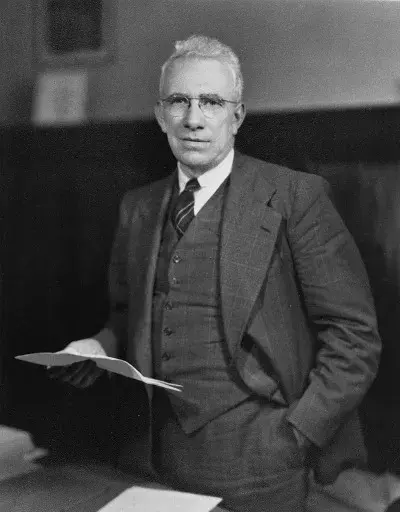
George David Aiken was an American politician and horticulturist. A member of the Republican Party, he was the 64th Governor of Vermont (1937–1941) before serving in the United States Senate for 34 years, from 1941 to 1975. At the time of his retirement, he was the most senior member of the Senate.
