John Stuart Mill Quotes
War is an ugly thing, but not the ugliest of things. The decayed and degraded state of moral and patriotic feeling which thinks that nothing is worth war is much worse.
Mill, John Stuart. "The Contest in America." Fraser's Magazine, vol. 65, Feb. 1862, p. 268.


Patton, one of the world’s best fighting general was somewhat mentally unbalanced and unlike almost all senior officers who are successful commanders but see war as an unpleasant, brutal necessity, Patton loved war and the fighting part of it. His non battlefield behavior was so erratic and atrocious that Eisenhower and his other superiors almost fired him on several occasions. He died in an automobile crash shortly after the German surrender, so the dilemma of what to do with Patton in peacetime was resolved.


The phrase was picked up by the press, and then became the title to a patriotic song of World War II.


Trumbo was morally opposed to war. He also refused to name Hollywood communists to Congressional Committees during the Red Scare. He was then blacklisted from his occupation, screen writing.


On October 31, 1803, Tripolitan forces captured the ship Philadelphia and imprisoned the whole crew. The Pasha (provincial governor) of Tripoli, Yusef Karamanli demanded that the United States not only pay a ransom for the prisoners but an annual tribute to Tripoli.


Many in the House were calling on England to fulfill its treaty obligations and stop Hitler and the Germans from overrunning Europe. Prime Minister Chamberlain, kept trying to appease Hitler by giving in to some of his demands. The more he gave in, the greater the demands became. Maxton was one of the few members of Parliament who wanted to give the Prime Minister more time to avoid war. Chamberlain’s efforts failed miserably and Hitler already had a huge advantage.

Annan had asked UN nations to contribute troops but few would.


The only alternative is war or national dishonor; and between these two, what American can hesitate.
Canadian lumberjacks began operations on the Aroostook River area that was in dispute between Maine and Canada:

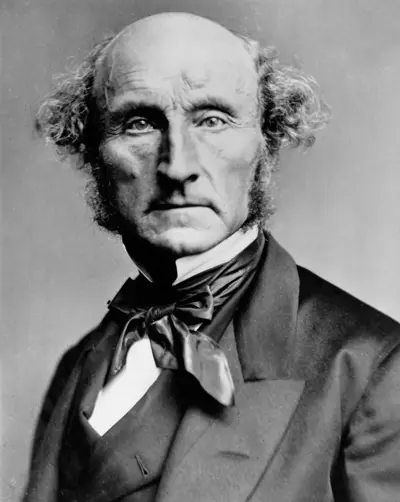
John Stuart Mill, usually cited as J. S. Mill, was an English philosopher, political economist, Member of Parliament, and civil servant. One of the most influential thinkers in the history of classical liberalism, he contributed widely to social theory, political theory, and political economy. Dubbed "the most influential English-speaking philosopher of the nineteenth century", he conceived of liberty as justifying the freedom of the individual in opposition to unlimited state and social control.
