William H. Sumner Quotes
Under the Constitution, the Militia must ever be estimated the bulwark of civil and individual liberty. Directed by public sentiment, it will guard us from the oppression of power; regulated by wisdom, and patronized by the Government, it will secure us from anarchy; officered, trained and supported by the States, it is the guarantee of their sovereignty and union; and properly armed and disciplined, ... it forms an impenetrable barrier to the invader.
This was his political speech about the importance of the state militia. However, in the War of 1812 in September the British attacked and burned the town of Portland which the militia feebly tried to defend. See his private view then: {613332}.
William H. Sumner, 1780-, Adjutant General of Massachusetts, Acting Governor of Massachusetts, Quoted Henry Lee, The Militia of the United States. What It Has Been. What It Should Be, 1864
Sourced by: Eigen's Political and Historical Quotations

This differed from his public statements where he extolled the militia {613331}, the politically popular thing to do. No wise politician would publicly criticize his own State’s militia.


An earlier version was written by Congressman Louis L. Ludlow, 1873-1950—see his quotation about it—{39681}. The proposed amendment was narrowly defeated.


President James Madison expressed a similar sentiment in his first inaugural address.

A common modern political issue is the relative efficiency of State verses the Federal government in the spending of tax resources, but in the area of defense, it is today assumed that this is a Federal role. However, in 1814, in the midst of a war, there were those who argued for State operation of the nation's defense. See Artemas Ward for a similar view.

Note the phrase “well regulated militia.” This is the exact same phrase which the Founding Fathers chose to use in the Second Amendment of the Bill of Rights over a decade later. And in this amendment the right to bear arms is provided for the “well regulated militia” and not for individuals as the Supreme Court has ruled many times. This quotation shows that the phrase was not just drafted by the founders, but had a clear and established meaning of which they were aware. Many people think that the phrase did not have a known meaning at the time but this quotation shows differently as the Constitutions of all the States were available to and studied by the Congress and most educated people.


There has in the United States, since the Constitution was ratified, a tension in every war or conflict, where some Americans wanted to reduce civil rights in order to better cope with the conflict and others observed that what we were fighting for is precisely those civil rights and liberties. John Adams and the Federalists, did not want anyone to be allowed to publicly criticize the Government while we were in conflict with Great Britain. They passed the Alien and Sedition Acts. Thomas Jefferson and the Republicans felt that that the freedom should not be given up in the name of national security—we could prevail without that incursion on rights. They repealed the Adams laws. In WWI, Democratic President Woodrow Wilson wanted to jail anyone who claimed that the military draft was improper, immoral or illegal, and he did. Republicans, when they assumed office, then released the prisoners and restored freedom of speech. In the war on terror, most Republicans like sessions, wanted to torture prisoners, allow the imprisonment of suspected terrorists indefinitely without any charges or trial, and bug American telephone calls without the usually required court warrants. Democrats disagreed. That stimulated Sessions statement.

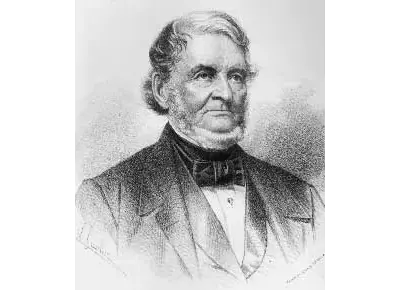
- Born: July 4, 1780
- Died: October 24, 1861
- Nationality:
- Profession: Lawyer, Soldier, Writer
William Hyslop Sumner was the son of Governor Increase Sumner. He graduated from Harvard College in 1799, and practiced law. He served as a general in the Massachusetts militia. Sumner wrote The History of East Boston and died in 1861.
