Ludwig von Mises Quotes
Those who disagree with the dictator's plan have no other means to carry on than to defeat the despot by force of arms.
von Mises, Ludwig. Human Action: A Treatise on Economics. Yale University Press, 1949.


Tens of thousands of Iranians were.


What is particularly interesting about this passage is that a Middle Eastern contemporary historian and commentator compared circumstances to political events with the Umayyads and the Abbisids to those in Persia and Rome. Chosroes (Khosrow) was a Persian King who had his brothers murdered, and Caesar was viewed as a tyrant. Even then, the history of politics, in one country influenced events and attitudes in others,


Thai society had been polarized and very large peaceful demonstrations (by the Yellow Shirts) were calling for the resignation of the government which although very corrupt and controlled by a single very rich family which had extensive support of the rural and poor (the Red Shirts). This quotation illustrates how a peaceful protest could lead to violence and terrorism. This Red Shirt leader, rather than lose, would lead violence in the streets like the Brown Shirts of the pre WWII Germany. If the violence fails, he was willing to go underground and become a terrorist movement.

Soon he had the power of a dictator but he didn’t force his will on the vast majority of the Cubans. His decrees made all the wealthy and the cronies of the dictator Batista outraged and most of them left Cuba. He was a dynamic demagogue and the people handed him dictatorial powers which he did not reject. He was so popular that he was the only leader in the Americas who would give 4 hour speeches and move through the streets without any bodyguards until the United States and dissident expatriates tried to assassinate him. With all that popularity, none the less he would not allow open criticism of his regime and jailed many political opponents. So he indeed became a dictator but never needed the machine gun to maintain power.


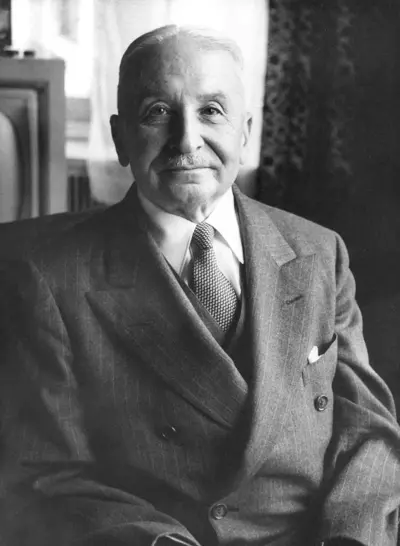
Ludwig Heinrich Edler von Mises was an Austrian School economist, historian, logician and sociologist. Mises wrote and lectured extensively on the societal contributions of classical liberalism. He is best known for his work on praxeology, a study of human choice and action.
