Mary Antin Quotes
There was one public school for boys, and one for girls, but Jewish children were admitted in limited numbers - only ten to a hundred; and even the lucky ones had their troubles.
Antin, Mary. The Promised Land. Houghton Mifflin Company, 1912, p. 111.


Illegal school racial segregation is no more, but the schools are still racially segregated. The concept of neighborhood schools makes the school population dependent on the residential population in any given area. And housing segregation is the rule in most of America—come caused illegally, but much the result of economic clustering of housing, customs, and ethnic communities. Therefore schools are still racially segregated except in those areas where housing is racially integrated.


Berea College in Kentucky was founded as an interracial college. This law made it illegal in Kentucky to operate an integrated college. Day was not only a racist but a sexist as well. He introduced and got it passed another education law that made co-education in Kentucky illegal

This statement was made when he was a general of a segregated army fighting for a segregated nation that had not yet passed the Civil Rights Act or the Voting Rights Act. Even he misjudged the capability of the armed forces to desegregate.


There are two things that make this quotation interesting, First it tells us about the educational gender discrimination in early Massachusetts. But not his phrase “light soon broke in”. He obviously saw the lack of education for girls as undesirable and unenlightened. But the fact that he had this attitude and would express is so readily in 1857 tells us that, at least in the Northeast girls’ education was assumed by many as part of civilized society.
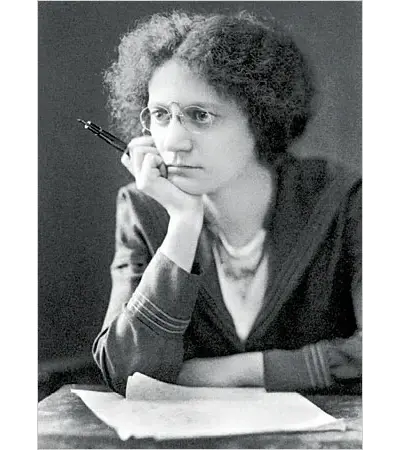
Mary Antin was an American author and immigration rights activist. She is best known for her 1912 autobiography The Promised Land, an account of her emigration and subsequent Americanization.
