Abu Abdullah Muhammad Ibn Battuta Quotes
The Sultan of Kilwa [in Tanzania] was called 'the generous' on account of the multitude of his gifts and acts of generosity. He used to engage frequently in expeditions to the land of the Zinj people raiding them and taking booty--slaves and other wealth... He is a man of great humility; he sits with poor brethren, eats with them, and greatly respects men of religion and noble descent
villages in the African interior Slave raiding of Black African villages was well entrenched long before Europeans and Americans discovered the profits of the slave trade. Even at the height of the African slave trade, most European slavers purchased their slaves from Muslim slave traders who did the initial capturing and sold them to the Europeans and Americans for transport. Note the description of the excellent character of the Sultan who was generous and egalitarian with fellow Muslims but viciously captured non-Muslims and used and sold them as slaves. Ibn Battuta saw nothing inconsistent in that as the Koran only prohibited keeping Muslims in slavery
Abu Abdullah Muhammad Ibn Battuta, 1304-1377), Moroccan Berber Traveler & Explorer, Rihla [Travels]
Sourced by: Eigen's Political and Historical Quotations


Jean the Good. It was not uncommon for wealthy nobles who were about to be defeated on the field of battle to offer bribes to the opposition soldiers to take them to their lines or headquarters. However, the leaders of the Army wanted to have charge of the important prisoners and the terms of their potential ransom. In this case the English knights started fighting amongst themselves as to who would take and ransom the French King, when two high ranking English nobles who had been dispatched by the Prince of Wales to look for the French King. They ordered the knights to desist their internal fighting, and the French King was delivered to the Prince of Wales.

The Muslims were poised to make the final assault on Constantinople. Religious leaders were whipping up the troops by calling for Jihad and telling them those who fell in battle would enjoy immediate access to Paradise and the virgins that went with Islamic martyrdom. However, the Sultan did not trust religious fervor alone. He said this to the leaders of his soldiers who then spread the word. The City fell the next day. The troops had 3 days of looting, rape and pillage which the Sultan had promised, but there was almost no further damage to the infrastructure other than that caused by the seige cannons.


Taft contrasted Hughes with Theodore Roosevelt.


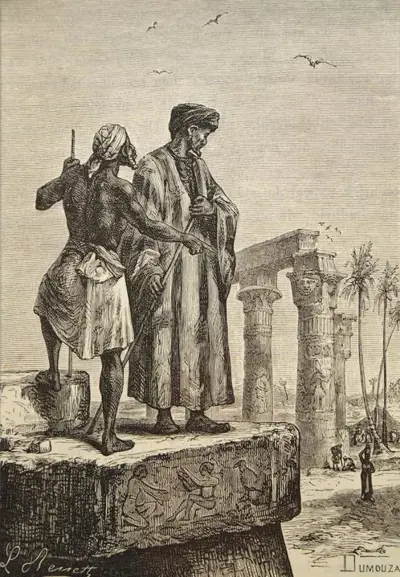
Ibn Battuta was a Muslim Berber-Moroccan scholar, jurist and explorer who widely travelled the Old World, largely in the lands of Dar al-Islam, travelling more than any other explorer in pre-modern history, totalling around 117,000 km (72,000 miles), surpassing Zheng He with about 50,000 km (30,000 miles) and Marco Polo with 24,000 km (15,000 miles). Over a period of thirty years, Ibn Battuta visited most of the Old World, including Central Asia, Southeast Asia, South Asia, China and the Iberian Peninsula. Near the end of his life, he dictated an account of his journeys, titled A Gift to Those Who Contemplate the Wonders of Cities and the Marvels of Travelling, but commonly known as The Rihla.
