Michael Sandel Quotes
The other effect that I worry about is the effect on the parent, that the moral teaching of humility and of the limits to our control that parenthood teaches- - that that will be lost and that we will begin to think of children more as consumer goods than as gifts that we can't fully control and for which we aren't fully responsible.
Sandel, Michael J. "The Case Against Perfection: Ethics in the Age of Genetic Engineering." Pew Research Center, 9 May 2007.


In most of American history, population has moved from the rural areas of the country to the cities. After WWII there was a movement from the rural areas to the suburbs as well as the cuties and movement from the cities to the suburbs. The assumption that the schools were not as good in the cities would be challenged by many and in the next 30 years, there was much educational reform in the cities and they had the best schools in the country. Until the movement to the suburbs, the educational attainment of city children was (and is today) much better than that of rural children. Dickernan and many others could not understand the movement to the cities because there was vice in the cities. They rarely considered the social, cultural and economic advantages of cities and generally assumed that people—especially children—could not resist the temptation of vice in the immediate vicinity.


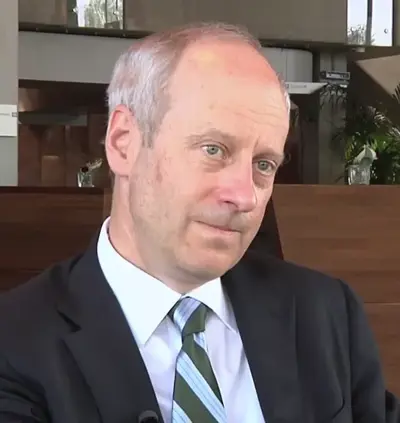
Michael Joseph Sandel (/sænˈdɛl/; born 1953) is an American political philosopher and the Anne T. and Robert M. Bass Professor of Government Theory at Harvard University Law School, where his course Justice was the university's first course to be made freely available online and on television. It has been viewed by tens of millions of people around the world, including in China, where Sandel was named the "most influential foreign figure of the year" 2011 (China Newsweek). He is also known for his critique of John Rawls' A Theory of Justice in his first book, Liberalism and the Limits of Justice (1982).
