Irving Kristol Quotes
The Organization of American States [OAS] is a kind of mini United Nations where we can be voted down in only three languages instead of six [the official UN languages], thereby saving translator’s fees.
Irving Kristol, Political Philosopher, Description of the OAS
Sourced by: Eigen's Political and Historical Quotations


This is an example of some of the early views about the federation of Europe.


He was responding to the United Nations Security Counsil resolution calling on Israel to stop the building of settlemetns in the "occupied" territories. Normally such resolutions such as these were vetoed bu the United States, but this time it was not and Secretary of State John Kerry made a major speech urging the Israels not to keep building settlements which in his view inflamed the Palestinians and made the prospects for a peace less likely. The Israelis argued that the particualar areas--Jerusalem, Judea and Summaria were consecrated by God for the Jewish people who have inhabited the area for over 3000 years, and while they do not insist on sovreignty over the Judea and Summaria, from which Jews had been ethnically cleased, they do demand that the Jewish People who want to should be allowed to fulfill God's mandate and settle in their traditional territories. The traditional view of the United States on the settlement issue is that what God had done thousands of years cannot be allowed to override the obligagtion of israel and teh Palestinians to negotate the status of the territories that became an obligation when the Oslo Accords were signed in the recent past. Trump was very sympathetic to the Israeli position and was one of the many Americans who ha little or no respect for the United Nations.


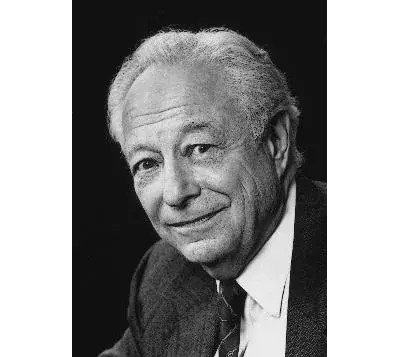
Irving Kristol was an American journalist who was dubbed the "godfather of neoconservatism". As a founder, editor, and contributor to various magazines, he played an influential role in the intellectual and political culture of the last half of the twentieth century. After his death, he was described by The Daily Telegraph as being "perhaps the most consequential public intellectual of the latter half of the [twentieth] century".
