Edward Gibbon Quotes
The distinctions of personal merit and influence, so conspicuous in a republic, so feeble and obscure under a monarchy, were abolished by the despotism of the emperors; who substituted in their room a severe subordination of rank and office, from the titled slaves who were seated on the steps of the throne, to the meanest instruments of arbitrary power.
Gibbon, Edward. The History of the Decline and Fall of the Roman Empire. 6 vols., W. Strahan and T. Cadell, 1776-1788.


Note that the Queen always used the 3rd person rather than the 1st when referring to herself. This was true of most of the leading public figures in England at the time. Although she detested Gladstone, she gained control of her feelings and did her duty and “sent for” him to form the Government. She was personally delighted when, as she predicted, his government then had political difficulties.

While President Nixon and Henry Kissinger were putting all their eggs in the Shah’s basket, Simon was one of the government who had a different perception of our key ally. See {620093} for a CIA corroborating view.

Bartolo was the most famous legal expert of his day and for many years thereafter as he died at the age of 44—the height of his career. In Italy, Spain and other nations of Europe there were statutes passed that said if there was no precedent in Roman Law, the writings of Bartolo should dictate the law.


What is particularly interesting about this passage is that a Middle Eastern contemporary historian and commentator compared circumstances to political events with the Umayyads and the Abbisids to those in Persia and Rome. Chosroes (Khosrow) was a Persian King who had his brothers murdered, and Caesar was viewed as a tyrant. Even then, the history of politics, in one country influenced events and attitudes in others,
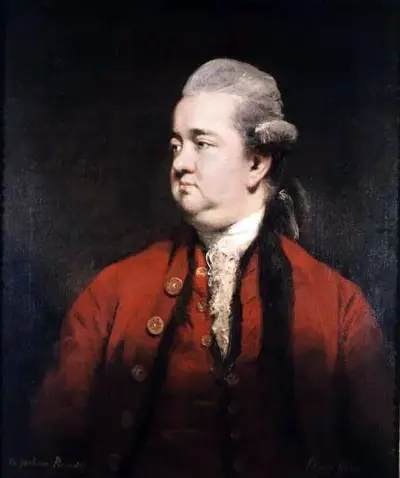
Edward Gibbon FRS was an English historian, writer and Member of Parliament. His most important work, The History of the Decline and Fall of the Roman Empire, was published in six volumes between 1776 and 1788 and is known for the quality and irony of its prose, its use of primary sources, and its polemical criticism of organised religion.
