Robert Blatchford Quotes
The Clarion will convert England to Socialism in seven years. British working classes are not fit for Socialism yet.
The first quotation was made shortly after the launching of The Clarion in 1891. The newspaper was relatively successful but while England moved more to the left, socialism was not embraced by Englishmen. Later, Blachford concluded that the conversion would not likely take place soon.
Robert Blatchford, 1851-1943, Journalist & Editor of The Clarion (A Socialist Newspaper), Quotations about the effect that the Socialist Newspaper, The Clarion, would have on English politics.
Sourced by: Eigen's Political and Historical Quotations


Although the Nazis railed against the Communists & Socialists, the potential opposition they feared the most was the middle class. See also {582966}.


This was the basic document issued after the Russian Revolution establishing the basic legal and economic structure of the new Soviet State.


This first meeting was held in a girls’ school. One of the delegates was a young library assistant and school teacher, Mau Tse Tung.

Although very authoritarian in his governing style, the substance of the Constitution that and basic laws that he imposed on post war Japan were extremely left wing. Japan eschewed having a military, required total equality of women for the first time in Japanese history. The Civil Service was given great power and authority over business, there was a complete social safety net. MacArthur would not take kindly to this characterization as he thought of himself as a lifelong conservative and was the darling of the American right wing extremists. He took the American Constitution literally and was determined to turn ultra-militaristic Japan into a democracy. He did in one of the most dramatic cultural and governmental changes in history.


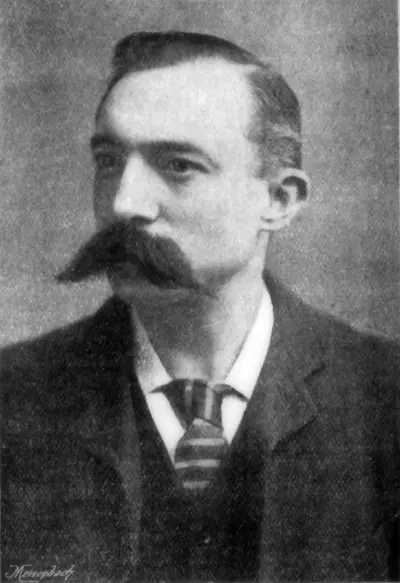
Robert Peel Glanville Blatchford was an English socialist campaigner, journalist, and author in the United Kingdom. He was also noted as a prominent atheist, nationalist and opponent of eugenics. In the early 1920s, after the death of his wife, he turned towards spiritualism.
