B. R. Ambedkar Quotes
Some men say that they should be satisfied with the abolition of untouchability only, leaving the caste system alone. The aim of abolition of untouchability alone without trying to abolish the inequalities inherent in the caste system is a rather low aim.
Ambedkar, B. R. Dr. Babasaheb Ambedkar: Writings and Speeches, Vol. 1, Education Department, Government of Maharashtra, 1979.


The traditional Hindu social structure established castes – levels of society with Brahmins at the top and untouchables at the bottom. When India gained independence, the caste system was made illegal. Nonetheless, it is still followed by hundreds of millions of Indians. Religiously the Buddhists and the Hindus have had different philosophies. Ilaiah is a Buddhist who opposes the traditional Brahmin social structure and is a supporter of “Dalitization” – a change in the Indian culture to make the Dalits (untouchables) equal de juro and de facto.


He saw great similarities between the terrible Indian Caste system and the different socio-economic classes of the West. Brahmins are the high caste Indians and the Sudras are low caste.


Manava Dharma Shastra. This text is a part of the Hindu Holy Texts. Hindus believe that Manu was a prophet whose text is revealed or inspired.

Paz was the Ambassador to India. The caste system in India was outlawed by the Indian Constitution, and the government has made many effort at affirmative action to eliminate it put as Paz observed it is so ingrained in Indian tradition, culture and religion that it continues to persist.


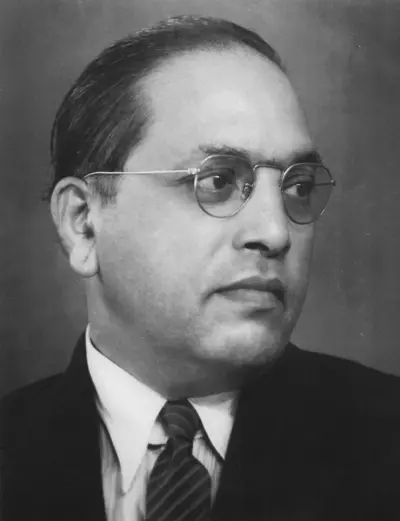
Bhimrao Ramji Ambedkar, also known as Babasaheb Ambedkar ([bʌbəsɑheb ɑmbɛdkɑə]), was an Indian jurist, economist, politician and social reformer, who inspired the Dalit Buddhist movement and campaigned against social discrimination towards the untouchables (Dalits). He was British India's Minister of Labour in Viceroy's Executive Council, Chairman of the Constituent Drafting committee, independent India's first Minister of Law and Justice, and considered the chief architect of the Constitution of India.
