Lal Bahadur Shastri Quotes
India will have to hang down her head in shame if even one person is left who is said in any way to be untouchable.
Shastri, Lal Bahadur. Selected Speeches of Lal Bahadur Shastri, June 11, 1964 to January 10, 1966. Publications Division, Ministry of Information and Broadcasting, Government of India, 1974, p. 80.


Paz was the Ambassador to India. The caste system in India was outlawed by the Indian Constitution, and the government has made many effort at affirmative action to eliminate it put as Paz observed it is so ingrained in Indian tradition, culture and religion that it continues to persist.


The traditional Hindu social structure established castes – levels of society with Brahmins at the top and untouchables at the bottom. When India gained independence, the caste system was made illegal. Nonetheless, it is still followed by hundreds of millions of Indians. Religiously the Buddhists and the Hindus have had different philosophies. Ilaiah is a Buddhist who opposes the traditional Brahmin social structure and is a supporter of “Dalitization” – a change in the Indian culture to make the Dalits (untouchables) equal de juro and de facto.

Manava Dharma Shastra. The Hindus believe in reincarnation and that the souls of animals move up the ladder and if they are good are eventually born as humans (Sudras). These are the lowest caste in this terribly discriminatory system—the “untouchables.” But if a Sudra lives a pious life and accepts his lot, he is reincarnated as a higher cast human (twice born). This law illustrates the incredible discrimination that the cast system produced. In modern India, the caste system is illegal and there is no discrimination in law or by government. However it is still terribly evident in social life, marriage, employment and most phases of Indian society. This text is a part of the Hindu Holy Texts. Hindus believe that Manu was a prophet whose text is revealed or inspired.


The Caste System has been legally abolished in India yet hundreds of million Indians still follow it.


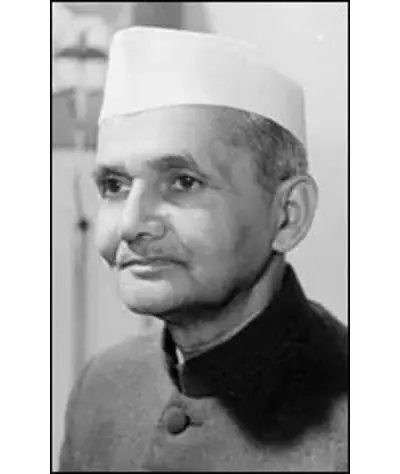
Lal Bahadur Shastri was an Indian statesman who served as the second Prime Minister of India. He promoted the White Revolution – a national campaign to increase the production and supply of milk – by supporting the Amul milk co-operative of Anand, Gujarat and creating the National Dairy Development Board. Underlining the need to boost India's food production, Shastri also promoted the Green Revolution in India in 1965. This led to an increase in food grain production, especially in Punjab, Haryana and Uttar Pradesh.
