Daniel Pipes Quotes
So, this is my plea to all Western editors and producers: Display the Muhammad cartoon daily, until the Islamists become accustomed to the fact that we turn sacred cows into hamburger.
Pipes, Daniel. "The Muhammad Cartoons: Why We Must Publish Them." The Jerusalem Post, 8 Feb. 2006.


In September of 2005 a Danish Newspaper published some political cartoons showing the hypocrisy of some Muslims who use Islam to justify murder of innocents and terrorism. Months later, in January of 2006 many in the Middle East protested vehemently and Muslim riots broke out because the Prophet Muhammad's visage was depicted against Islamic tradition. Many Muslim nations started a boycott against Denmark. Many Muslim leaders claimed that insulting religion was an “abuse” of freedom of speech including those from nations which regularly publish material that is virulent against Christians and Jews. Westerners came to the support of Denmark. The United States which usually supports freedom of the press made this veiled criticism of the Danish Newspaper.

In September of 2005 a Danish Newspaper published some political cartoons showing the hypocrisy of some Muslims who use Islam to justify murder of innocents and terrorism. Months later, many in the Middle East protested vehemently and Muslim riots broke out and Danish boycotts ensued because the Prophet Muhammad's visage was depicted against Islamic tradition. Many Muslim leaders claimed that insulting religion was an “abuse” of freedom of speech including those from nations which regularly publish material that is virulent against Christians and Jews. Although France had a large Muslim minority, reaction of French Muslims was much more mild than that of Middle Eastern Arabs where the governments either encouraged the rioters or refused to take action to deter them from sacking Danish property.

In September of 2005 a Rose’s newspaper published some political cartoons showing the hypocrisy of some Muslims who use Islam to justify murder of innocents and terrorism. Months later, in January of 2006 many in the Middle East protested vehemently and Muslim riots broke out because the Prophet Muhammad's visage was depicted against Islamic tradition. Many Muslim nations started a boycott against Denmark. Many Muslim leaders claimed that insulting religion was an “abuse” of freedom of speech including those from nations which regularly publish material that is virulent against Christians and Jews. Apologies were demanded from Rose.

For a number of years Rushdie were in hiding and some of his publishing associates were killed or injured. Britain broke diplomatic relations with Iran over the Fatwa.
The reason he claimed that Governor Taseer was a blasphemer was that the governor opposed death penalty for saying or writing anything that was heresy or blasphemy as interpreted be fundamentalist Muslims. The Governor knew he was taking a risk. See {620970} .

The Vatican Congregation of the Index had banned Greene’s Book, The Power and the Glory. See {598544}.

Rushdie was commenting on the Danish Cartoons that had been published the year before depicting the Islamic Prophet Muhammad to the great distress of some fundamentalist Muslims some of whom orchestrated riots in many countries involving much property destruction and some loss of life. See {590918} as an example of the concern.
She was originally Egyptian but because of her criticism, her citizenship was actually revoked.


Part of the right to freedom of speech is the right to criticize, disparage or insult. However, there are some people in the world who do not believe in freedom of speech or expression and not only believe that certain types of expression are blasphemous and sinful, but some believe that it is their religious duty to kill the blasphemer. In this case a film was made that was not only intellectually an attack on Islam but it was done in such a manner that most orthodox Muslims were insulted and offended that their Prophet and religion were both insulted in a blasphemous manner. It was a film that was very much in poor taste, insensitive and gross. In the Islamic world, some extremists use incidents that they call blasphemy to whip up large crowds who riot, destroy and in many cases kill innocent people who have nothing to do with the alleged blasphemy except that their employer might be a company in the same nation as the blasphemer. These fanatics also hold governments responsible for blasphemy if they do not violate their own laws and constitutions and interfere with their citizens right to freedom of speech and expression. For people like Bollinger, this raises a terribly difficult situation and as he points out in this quotations free speech can have serous repercussions almost anywhere in the world. Others observe that every time we even discuss the potential repercussions, the enemies of freedom of expression win, and have a chilling effect on the rest of the world. They urge ignoring the consequences and avoid rewarding the enemies of freedom by giving them an influence on our freedoms and practices.


In September of 2005 a Danish Newspaper published some political cartoons showing the hypocrisy of some Muslims who use Islam to justify murder of innocents and terrorism. Months later, in January of 2006 many in the Middle East protested vehemently and Muslim riots broke out because the Prophet Muhammad's visage was depicted against Islamic tradition. Many Muslim nations started a boycott against Denmark. Many Muslim leaders claimed that insulting religion was an “abuse” of freedom of speech including those from nations which regularly publish material that is virulent against Christians and Jews.
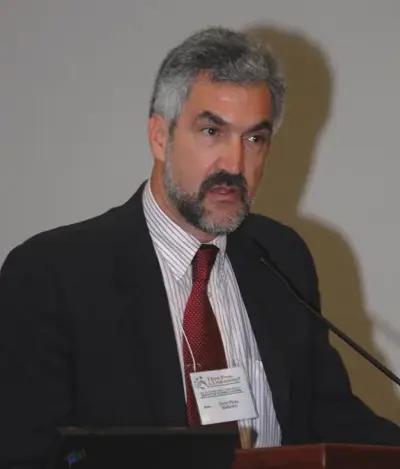
Daniel Pipes is an American historian, writer, and commentator. He is the president of the Middle East Forum, and publisher of its Middle East Quarterly journal. His writing focuses on American foreign policy and the Middle East.
