Friedrich Durrenmatt Quotes
Rome has betrayed itself. It knew the truth and chose violence, it knew humaneness and it chose tyranny.
Dürrenmatt, Friedrich. Romulus the Great. Translated by Gerhard Nellhaus, Grove Press, 1964, p. 84.


This quotation so impressed Thomas Jefferson that he wrote it in his Commonplace Book.


Iturbide, known also as Agustin I, was the first Emperor of Mexico who was executed by a firing squad.

O, you anarchic scum, you cowardly murderers, you leeches upon honest labor, you midnight assassins!
Otis and his paper were virulently anti-labor. See {617172} .


Perhaps the most famous quotation in all of Political Science is Lord Acton’s observation about power. See {292904}. What is fascinating is that 74 years earlier, Shelly, the most famous of the English Poets expressed the same idea in one of his great poems.

Mark Twain referring to and reflecting on his encounter with the Sultan of Turkey, Abdul Aziz.


This is only one of many anti-American and anti-Israeli and anti-Semitic passages in the text. It is typical of much of the Wahhabi literature which also supports jihad and violence. Much of the funding for the Wahabbi comes from the Saudi Arabian Government and members of the Saudi Royal Family. There is total censorship in Saudi Arabia and nothing gets preached or printed if the Saudi government wishes otherwise. However, most of the imams in Saudi Arabia are Wahhabi and are paid by the government. The Royal Family’s only fear of losing power is if the Islamic clerics claim that the government is not supportive of Islam. They spend much money to buy their lack of opposition to the monarchy. The government position however is contrary to these hate-filled textbooks.


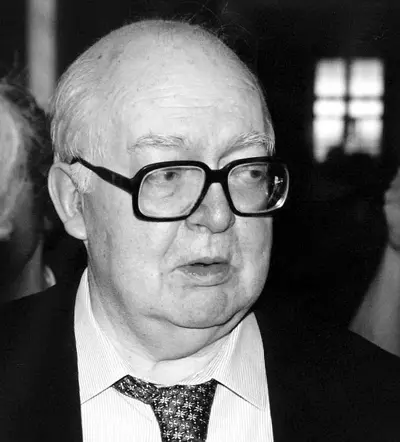
Friedrich Dürrenmatt was a Swiss author and dramatist. He was a proponent of epic theatre whose plays reflected the recent experiences of World War II. The politically active author's work included avant-garde dramas, philosophical crime novels, and macabre satire. Dürrenmatt was a member of the Gruppe Olten, a group of left-wing Swiss writers who convened regularly at a restaurant in the city of Olten.
