Ambrose Bierce Quotes
PATRIOT, n. One to whom the interests of a part seem superior to those of the whole. The dupe of statesmen and the tool of conquerors.
Bierce, Ambrose. The Devil's Dictionary. The Neale Publishing Company, 1911.


Life listed prominent people who they classified as ‘dupes’ of the communist conspiracy and ‘fellow travelers’, those who associated with ‘communists.’ Ironically, when Einstein was a young man in Berlin, he was one of the few prominent people in Germany who spoke out against the German militarism and the rush to War (WWI). Then he was also referred to as a dupe and a fellow traveler of the English and Americans. Einstein was particularly outspoken against racism and segregation at a time when many Southern, racial conservatives accused all opponents of segregation of being communists or carrying the communist line.

Faction was the then common word for political party. James Madison frequently used the word in this sense. See {606044}.


The Polk Administration initiated the Mexican war by provoking the Mexican’s

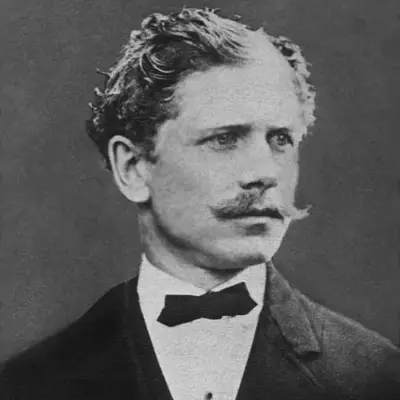
Ambrose Gwinnett Bierce was an American short story writer, journalist, poet, and Civil War veteran. His book The Devil's Dictionary was named as one of "The 100 Greatest Masterpieces of American Literature" by the American Revolution Bicentennial Administration. His story "An Occurrence at Owl Creek Bridge" has been described as "one of the most famous and frequently anthologized stories in American literature"; and his book Tales of Soldiers and Civilians (also published as In the Midst of Life) was named by the Grolier Club as one of the 100 most influential American books printed before 1900.
