Bryan Stevenson Quotes
Once we had a rail station in Montgomery that connected to Columbus and went all the way up to Virginia, slave traders could transport thousands of slaves at a fraction of the cost than they could transport by boat, and certainly by foot. And that's how Montgomery became such an active slave-trading space.
Stevenson, Bryan. Interview by Terry Gross. Fresh Air, NPR, 2015.

At first, this law appears to be an attack on slavery. It was seen as a major step forward and an important symbol in the right direction by abolitionists. But there were Congressional agreements—a price of having a Union and a Nation—not to even discuss the legality of slavery in America. The Southerners could easily have blocked this, but they were so secure in their confidence that they did not object—to the surprise of some Northern Abolitionists. The President, Jefferson, even held slaves then. In a sense, the existing Southern slaveholders out maneuvered the abolitionists. The latter got their symbol, but the slave owners received a fortune. They could breed slaves in almost any number they wanted. And they could now sell their “property” at high prices without the competition of all the entrepreneurs who were making a quick buck in the International Slave Trade. The prices became so high that in the period before the outbreak of the Civil War over slavery. The economic value of the slaves of the South was greater than all the land, factories, minerals, crops and animas of the South all together,


Arguing that Slavery inhibited a society from development ...
After traveling thorugh Virginia which was then the wealthiest and most developed of the slave states, he wrote ...
Despite the illegality of the slave trade, it flourished as there was no enforcement mechanism. If U. S. ships intercepted a slave ship trying to smuggle Blacks into the United States, there was no way of repatriating the Negroes on board and they bringing them to the United States was not what the Negroes wanted nor was there a way to absorb them. This act signed by President Monroe and the $100,000 appropriation to implement it was the key step in ending the importation and smuggling of slaves into the United States.


This license was issued for Spain in 1517 shortly after he was crowned. This was the beginning of the Slave Trade where Spain shipped kidnapped Africans as slaves to the West Indies.
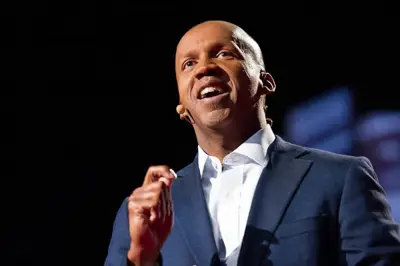
Bryan Stevenson is an American lawyer, social justice activist, founder/executive director of the Equal Justice Initiative, and a law professor at New York University School of Law. Based in Montgomery, Alabama, Stevenson has challenged bias against the poor and minorities in the criminal justice system, especially children. He has helped achieve United States Supreme Court decisions that prohibit sentencing children under 18 to death or to life imprisonment without parole. Stevenson has assisted in cases that have saved dozens of prisoners from the death penalty, advocated for the poor, and developed community-based reform litigation aimed at improving the administration of criminal justice.
