Fanny Kemble Quotes
The Southern newspapers, with their advertisements of negro sales and personal descriptions of fugitive slaves, supply details of misery that it would be difficult for imagination to exceed. Scorn, derision, insult, menace - the handcuff, the last - the tearing away of children from parents, of husbands from wives - the weary trudging in droves along the common highways, the labor of body, the despair of mind, the sickness of heart - these are the realities which belong to the system, and form the rule, rather that the exception, in the slave's experience.
Kemble, Frances Anne. Journal of a Residence on a Georgian Plantation in 1838-1839. Harper & Brothers, 1863, p. 339.


In the Jim Crow era and well into the 20th century, many school books and historians, wanting to minimize the enmity between North and South, tended to a historical revisionism where the real brutal and immoral edge of slavery was minimized and slave owners were depicted as being in error by modern standards but well-meaning and paternalistic. Foner, with this famous quotation, put the lie to the false image of paternalistic slavery. By the beginning of the 21st century, there were very few serious historians who still tried to characterize slavery in the South as “paternalistic” otherwise humane. See {584014} for another of Foner’s famous quotes regarding slavery


Brown was the richest man in Rhode Island and made much of his money in the slave trade. This quotation shows that slavery was not completely a North verses South split. Northerners like Brown for whose family Brown University was named, was as virulent supporter of slavery as the most ardent Southerner.


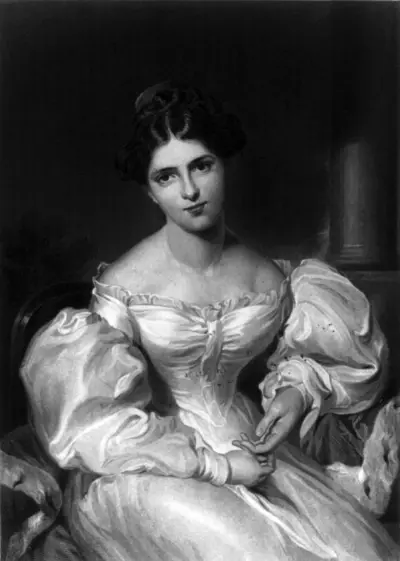
Frances Anne "Fanny" Kemble was a British actress from a theatre family in the early and mid-19th century. She was a well-known and popular writer and abolitionist, whose published works included plays, poetry, eleven volumes of memoirs, travel writing and works about the theatre.
