Gilbert K. Chesterton Quotes
[Newspaper] editors print everything they possibly can in large capital letters.
Gilbert K. Chesterton, 1874-1936, English Writer, Heritics
Sourced by: Eigen's Political and Historical Quotations


This quotation is often used to illustrate the change in attack and negative campaigning so often done by politicians whereas in the 1830s most politicians did not campaign that way. However at the time the newspapers were very closely associated with candidates and political parties—in some cases owned and controlled by them.

This particular column brought criticism from some on the left who were distressed that a First Lady might be trying to intimidate the press. Mrs. Roosevelt was, like her husband, not wed to any particular dogma or ideology’ they were practical, common sense politicians who distrusted dogma of any kind.


Second Earl of Buckinghampshire. The 1st Amendment was passed with a historical background of the press and its influence vexing English government, even in Ireland.


The 1980 presidential campaign was held in the middle of the Iran hostage crisis. President Carter remained in the White House and left the campaigning to the Vice President who received very light news coverage:


and later wife
This was the veteran newspaper editor’s last column before retirement and he chose to write it about the role of the press in the Japanese imperialist and militaristic nation in the period before and during WWII. He was then a young journalist. While most Japanese see that period as disastrous where the nation lost its way, the ultra conservatives blame the insufficient attention and support of the military and in retrospect do not see that the Japanese have anything to apologize for. Most of Asia disagrees profoundly.


Husayn Ali Nuri


Note how the second paragraph nullifies the first of the government declares an emergency. This is a trick that is very common in constitutions.

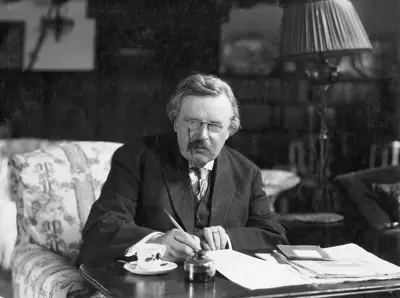
Gilbert Keith Chesterton KC*SG was an English writer, philosopher, lay theologian, and literary and art critic. He has been referred to as the "prince of paradox". Time magazine observed of his writing style: "Whenever possible Chesterton made his points with popular sayings, proverbs, allegories—first carefully turning them inside out."
