Wendell Phillips Quotes
Neither do I acknowledge the right of Plymouth to the whole rock. No, the rock underlies all America: it only crops out here.
Phillips, Wendell. "The Pilgrims." Speeches, Lectures, and Letters. James Redpath, 1863, p. 228.


While Jefferson was clear on this point, there were other forces and points of view that did not recognize Indian rights and were prepared to use force to obtain Indian lands. These, together with some Indians who made bad and sometimes corrupt bargains and treaties ceding land, produced the loss of most of the Indian land in America.

President-elect Kennedy had asked the poet to write and present a poem for the inaugural.


Most of her modern admirers tend to repress this quotation which is very embarrassing for most modern conservatives. However, there is a minority of thinkers who maintain that land, unused, is open to anyone who will make use of it to improve civilization. Many conservationists, in contrast, extol unused land for preservation.


The early Zionists had an understanding of how they were then perceived by the Arabs who had been living in land that was to become Israel. Like most other parts of the world, the land of Israel has been conquered and reconquered over the years. The area had been a Jewish kingdom in the immediate centuries before the birth of Christ. They had conquered it from the tribes that had conquered it from the Egyptians who had also conquered it. Then the Romans conquered. After that there were Muslims, Christians, the Ottoman Empire, the British and finally Israel was formed. Throughout this entire history, both Arabs and Jews had lived on the land along with and under the authority of whoever was the latest conqueror. In the hundreds of years before the establishment of the state of Israel, the Arabs had been in the majority. The 20th century saw a large influx of Jews who immigrated, purchased land and settled. There had been low level conflict as the Arabs became concerned that with the immigration

Jackson refused to obey this decision, He was the only American President who disobeyed a Supreme Court Decision. In doing this, he killed tens of thousands of Indians, allowed the Southern Whites to steal most of the Cherokee land. His Indian Removal, contrary to this Supreme Court decision, was the worst case of ethnic cleansing in the history of the United States.


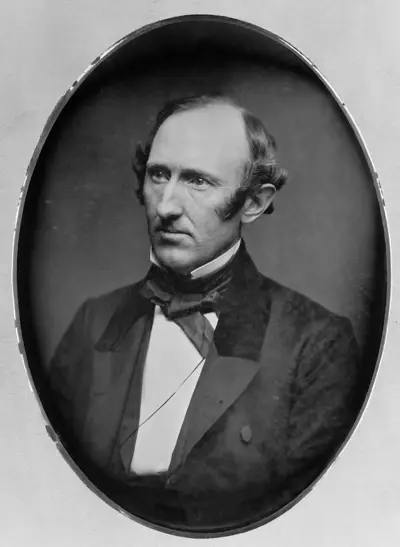
Wendell Phillips was an American abolitionist, advocate for Native Americans, orator, and attorney.
