Hartley William Shawcross Quotes
Let us not foist this humbug on the world.
Hartley William Shawcross, 1902–2003, (Baron Shawcross), British Barrister and Politician, Lead British prosecutor at the Nuremberg War Crimes tribunal, Statement Regarding A Rusian Disarmament Proposal, Quoted in TIME Magazine, December 9, 1946
Sourced by: Eigen's Political and Historical Quotations

Commenting on the presidential nomination of James K. Polk:


See Ben Franklin for an earlier similar sentiment {465143}.


MacArthur had been the Commander of our Military Forces in Korea. He had a huge ego, and he wanted to cross the border and attack China since Chinese Troops were aiding the North Vietnamese. He had previously assured the Joint Chiefs of Staff and the President that the Chinese would not send troops into Korea, but he was then wrong. And when they had attacked, they had erased the territorial gains that MacArthur had previously gained. The Joint Chief’s of Staff, the Secretary of Defense and the Secretary of State had decided upon a strategy which this time did not follow MacArthur’s strategic advice. The President approved the strategy, but MacArthur spoke and acted contrary. The President met with MacArthur and reiterated the strategy that the President approved. But MacArthur did not follow the orders of the Joint Chiefs. At the time, he and Eisenhower were America’s two most famous military leaders, and of the two MacArthur was senior and thought that he should be President. After he was fired, MacArthur addressed a Joint Session of Congress and gave his "Old Soldiers Never Die" speech which was his first active step towards the Presidency. It was a very sentimental speech with little content and nothing about why he had disobeyed orders. He was totally shocked when it was Eisenhower who was selected to run for President and not him.

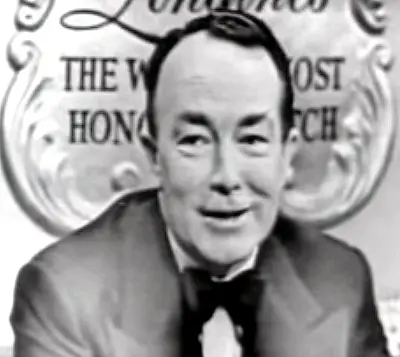
Hartley William Shawcross, Baron Shawcross, GBE, PC, QC, known from 1945 to 1959 as Sir Hartley Shawcross, was an English barrister and Labour politician who served as the lead British prosecutor at the Nuremberg War Crimes tribunal. He also served as Britain's principal delegate to the United Nations immediately after World War II and as Attorney General for England and Wales.
