Thomas Carlyle Quotes
Laissez-faire, supply and demand-one begins to be weary of all that. Leave all to egotism, to ravenous greed of money, of pleasure, of applause-it is the gospel of despair.


Like many ideological political philosophers who developed a following, she tended to exaggerate many of her points and to ignore additional factors. While individual businessmen and politicians pursuing their self interests were certainly necessary for America’s great growth and success, they were not sufficient. Many of the founding fathers sacrificed their fortunes and in some cases their lives to gain American independence. And the sacrifice of millions was necessary in many conflicts were those who fought were rarely enlarging their own fortunes. And equally important factors of American success were the collective action of communities creating schools, roads, bridges, canals. The driver of the businessmen to move into critical areas was the government subsidizing the railroads, proving the telegraph useful, developing the national highway system and the Internet. Most of the great universities and research centers were created as government, charitable or religious institutions where personal profit was not a factor. It is that combination of private and public, self serving and communitarian drives, secular and religious that have created modern America. Many people in Rand’s ere did not credit the private, self serving contributions of many great men, and Rand led the movement to remind all of that critical factor. In the process of making her good point, she tended to ignore the other factors.


He had just been appointed Finance Minister in the midst of a severe recession with the Japanese stock market and currency badly depressed.


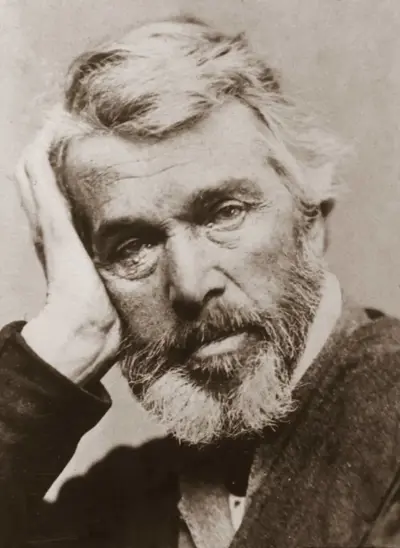
Thomas Carlyle was a Scottish historian, satirical writer, essayist, translator, philosopher, mathematician, and teacher. In his book On Heroes, Hero-Worship, and The Heroic in History (1841), he argued that the actions of the "Great Man" play a key role in history, claiming that "the history of the world is but the biography of great men". Other major works include The French Revolution: A History, 3 vols (1837) and The History of Friedrich II of Prussia, Called Frederick the Great, 6 vols (1858–65).
