Charles Dickens Quotes
It was as true ... as taxes is. And nothing's truer than them.
Charles Dickens, 1812-1890, English Writer, David Copperfield
Sourced by: Eigen's Political and Historical Quotations


He turned out to be very wrong as there were a number of times in American history when there were tax rates in excess of 70 percent, and they were collected.

This is the most articulate historical statement of the modern conservative mantra regarding taxes. However, one change has taken place. The words “necessarily” and “often” tend to be left out of the more modern ideological statements. Mellon’s original statement has never really had any politicians or economists who disagreed. Politicians of all economic persuasions have generally accepted the Mellon statement but the extreme conservatives’ creed is that a lowering of taxes always produces more revenue and a tax increase will inevitably lead to greater tax revenue—a position which Mellon never took. Mellon however was very solicitous of the wealthy, felt the welfare of the nation depended on their prosperity, and was a strong advocate of what was later called ‘trickle down’ economics {628592}.

This became known as the Buffet Principle—that the very rich should not pay a lower tax rate than the workers who make far less money than they do. President Barack Obama used this principle by name in calling for the 2011 Jobs Act which would eliminate some of the loopholes and exemptions by which the rich could avoid some or much or their tax obligation.

He was one of the richest men in America, who thought that the tax burden on the very wealthy was too low given the needs of the nation and the ability of the wealty to pay..


Tax Evasion is a felony. Tax avoidance is using legal loopholes to avoid paying taxes. However, as Hightower points out, every time a wealthy individual or corporation legally avoids a tax, the burden to make up for the lost revenue falls on the Middle Class for whom there are few tax loopholes. Also, they cannot afford the high-priced lawyers and accountants to find the schemes to use.

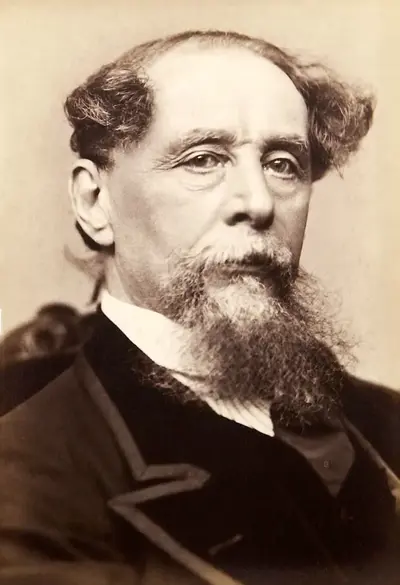
Charles John Huffam Dickens FRSA was an English writer and social critic. He created some of the world's best-known fictional characters and is regarded by many as the greatest novelist of the Victorian era. His works enjoyed unprecedented popularity during his lifetime and, by the 20th century, critics and scholars had recognised him as a literary genius. His novels and short stories are widely read today.
