Andre Gide Quotes
It is easier to lead men to combat and stir up their passions than to temper them and urge them to the patient labors of peace.
Andre Gide, 1869-1951, French Writer, Diary, September 13, 1938
Sourced by: Eigen's Political and Historical Quotations


Barak was the most decorated soldier in Israeli history.


Clinton was one of the leaders of the anti-war movement of the day. He even ran for President on the new “Peace Party.” New England, New York and many people in the Atlantic states thought the war of 1812 absurd. In reality, while the law was good for American morale and national pride, the casualties we suffered and the cost was far greater than what we were losing in our dispute with England. In actuality, France (under Napoleon) was offending America and seizing our shipping more than England. Note that Clinton was advocating negotiation even AFTER we would be attacked. This is in a way the complete opposite of the George W. Bush doctrine of preemption—attacking a hostile state BEFORE it has attacked us so as to prevent the casualties of an attack. The Bush doctrine was a great blunder in its only implementation—Iraq did NOT have the weapons of mass destruction that Bush and his administration claimed they had to justify the preemptive war.


Generally after civil wars there have been extensive reprisals and trials of the winning side against the losing one. Lincoln was determined that this pattern not be followed as the bloody war was coming to an end. Ironically, Andrew Johnson, Lincoln’s successor and a Southerner, was, together with some of the Radical Republicans, in favor of trying many of the Southern leaders for treason and rebellion. Lincoln’s view however and that of the moderate members of Congress prevailed. However, the Southern Whites generally would not comply with the Constitutional Amendments and laws regarding the role of the Negro, and Johnson was very sympathetic to their racism which led to a conflict between Johnson and Congress.


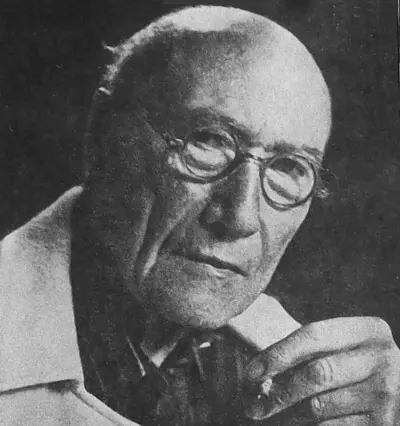
André Paul Guillaume Gide was a French author and winner of the Nobel Prize in Literature (in 1947). Gide's career ranged from its beginnings in the symbolist movement, to the advent of anticolonialism between the two World Wars. The author of more than fifty books, at the time of his death his obituary in The New York Times described him as "France's greatest contemporary man of letters" and "judged the greatest French writer of this century by the literary cognoscenti."
