Niccolo Machiavelli Quotes
Injuries should all be done together in order that men may taste their bitterness but a short time and be little disturbed. Benefits ought to be conferred a little at a time, that their flavor may be tasted better.
Niccolo Machiavelli, 1469-1527, Florentine statesman and political philosopher, The Prince
Sourced by: Eigen's Political and Historical Quotations


Compare this quotation with {632899}. Most members of Congress had limited management experience and the only solution to an organizational problem was to fire people. The referenced quotation has people fired for the purpose of inspiring public trust; in this quotation, it is to trigger reform and change. Ironically, there is no evidence in the management literature that suggests that firing for either of these reasons will have the desired objective.


The country was in a terrible recession and McKinley and other politicians of the time did not know about or understand the use of a counter-cyclical policy of government stimulus. With the economy devastated and the main revenue for the Federal Government coming only from import customs duty, the Federal coffers were emptying rapidly. Retrenchment was the only possible step that was then known.


While there are major differences between government and non-profit on the one hand and business on the other, it is important that government agencies use sound business practices in managing their programs and agencies.


This admonition of his applied not only to initiating war, but to increasing unemployment for a worthy purpose like controlling inflation. He sought solutions where pain was borne by tall if necessary, but not to particular subgroups (identifiable or not) to the degree that they would suffer badly. In general, we should not sacrifice some for the good of the whole without their volunteering, as in a volunteer army.


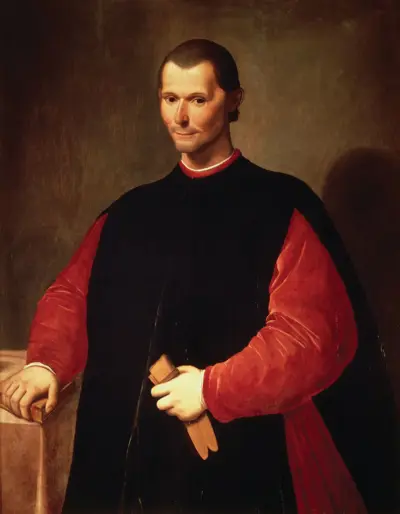
Niccolò di Bernardo dei Machiavelli was an Italian Renaissance diplomat, philosopher and writer, best known for The Prince (Il Principe), written in 1513. He has often been called the father of modern political philosophy and political science.
