H. W. Brands Quotes
In the academic world, biographies of these great figures of the past fell out of favor in the 1960s, when there was a turn toward social history, which meant the history of the voiceless and faceless. But the public at large never embraced the idea that these dead white guys should be abandoned.
Brands, H. W. "Interview with H.W. Brands." Humanities, vol. 22, no. 1, Jan./Feb. 2001.


Freshmen were not supposed to speak on the senate floor when La Follette first came to the Senate. He promptly took on the establishment, not only by flaunting tradition and speaking at all, but by speaking in favor of railroad rate reform. All but one Senator left the chamber. There was applause in the Senate galleries, and six years later 24 of the Senators had been turned out of office, in part due to La Follette's national campaigning for railroad rate reform.

Morgan had objected to publication of nude photos of Royal Prince Andrew:

In 1982 the Penn Square bank collapsed, but the public accountant had given it a clean opinion shortly before.

At the time this was a very unpopular act.


Madison wrote this essay for publication in New York. That state, one of the largest and most important of the 13 colonies, was polarized about the proposed Constitution and Madison, Hamilton and John Jay produced this great set of essays to convince Americans to vote for ratification. Madison acknowledged that many people had complained about various aspects of the proposed constitution and in this essay he deals with the complaints about political parties—“factions”.

Today, we assume that corporations including banks chartered by State and Federal governments would hire lobbyists and use their money for political elections. However, in 1833, that was so shocking to public morality that the President addressed it in his State of the Union Address and it was the subject of countless debate. Interestingly, the body politic was equally, if not more, shocked by the fact that the Bank was trying to manipulate public opinion. Jackson and the politicians of that day would take a very dim view of corporate activities today.


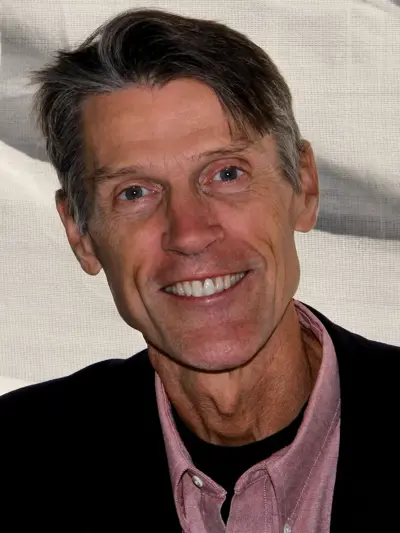
Henry William Brands Jr. is an American historian. He holds the Jack S. Blanton Sr. Chair in History at the University of Texas at Austin, where he earned his Ph.D. in history in 1985. He has authored 30 books on U.S. history. His works have twice been selected as finalists for the Pulitzer Prize.
