Mark Twain Quotes
… in a republic, who is "the Country"? Is it the Government which is for the moment in the saddle? Why, the Government is merely a servant -- merely a temporary servant; it cannot be its prerogative to determine what is right and what is wrong, and decide who is a patriot and who isn't. Its function is to obey orders, not originate them. Who, then, is "the Country"? Is it the newspaper? is it the pulpit? Is it the school superintendent? Why, these are mere parts of the country, not the whole of it; they have not command, they have only their little share in the command. They are but one in a thousand; it is in the thousand that command is lodged; they must determine what is right and what is wrong; they must decide who is a patriot and who isn't. Who are the thousand--that is to say, who are "the Country"?
Samuel Langhorne Clemens, 1835-1910
Mark Twain, Writer, Founder, Anti-Imperialist League, "Papers of the Adam Family
Sourced by: Eigen's Political and Historical Quotations


This constitution, 13 years later, became the basis for the national Batavian Constitution.


This was his version of the governing body of a republican commonwealth. His assumption was that the ablest men would be the nobility, the educated and religious (Catholic) elite.


Samuel Langhorne Clemens, 1835-1910. Even in a democracy, governments often enact laws that the public disapproves of and fails to enact others that the public wants. Most taxes are examples of the former; gun control legislation, of the latter.


This is a classic libertarian position.


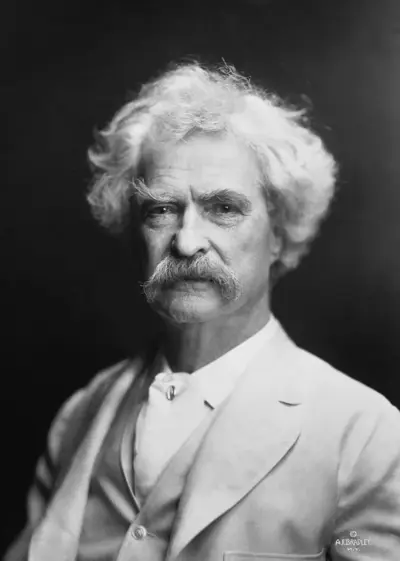
Samuel Langhorne Clemens, known by his pen name Mark Twain, was an American writer, humorist, entrepreneur, publisher, and lecturer. He was lauded as the "greatest humorist the United States has produced," and William Faulkner called him "the father of American literature". His novels include The Adventures of Tom Sawyer (1876) and its sequel, the Adventures of Huckleberry Finn (1884), the latter often called "The Great American Novel".
