PIETER VREEDE
Vreede wanted to create a Republic instantly. However some representatives of the old regime and affluent conservatives wanted the old laws and governmental structure less the monarch, William V. They argued that this would be temporary until the area was quiet and orderly unlike the passionate operations that was the result of the Dutch Revolution. To Vreede, delay was a trap (snare) to allow the aristocrats to reestablish their power and privileges.
This constitution, 13 years later, became the basis for the national Batavian Constitution.
“Societies” were volunteer community associations formed for the purpose of monitoring the public officials and legislatures and recommending things. They would invite speakers and exchange political knowledge. They performed many of the functions that think tanks and local political parties do in modern times, but generally they were totally non-partisan—hence they were “disinterested”.
Many of the other members of the National Assembly criticized him for “washing the Assembly’s laundry” in public. They argued that the people would lose confidence in the National Assembly. The National Assembly at the time was the legislative branch, the executive branch, and the judicial branch all at the same time. See {639833} for an example of the public statements he made. “Dissemble” means to lie or shade the truth with the intent of deceiving.
This constitution, 13 years later, became the basis for the national Batavian Constitution.
The National Assembly at the time was the legislative branch, the executive branch, and the judicial branch all at the same time. “Intrigue” referred to a panoply of questionable behaviors including bribes, promises of jobs, appointments, threats of slander, personal destruction and other corrupt practices.
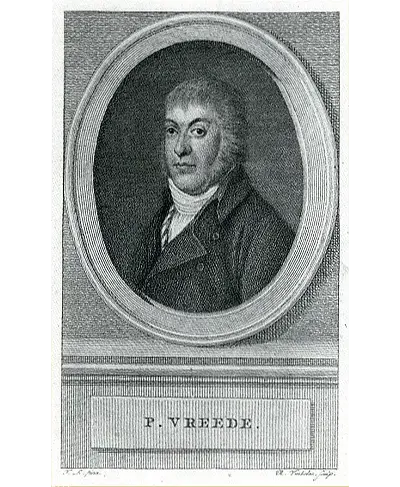
Pieter Vreede was a Dutch politician of the Batavian Republic in the 18th century. Vreede was born in Leiden and died in Heusden. He was a prominent critic of stadholderian misrule and of the urban patriciate.
