Susanna Moore Quotes
I was betting on cockfights in the Filipino workers' camps when I was 11.
Moore, Susanna. I Myself Have Seen It: The Myth of Hawai'i. National Geographic Books, 2003.


3rd Earl Russell of Kingston


The coal miners’ strike had been going for 5 months. The major issue was the right to union recognition. The mine owners refused to do that and decided to take the strike. President Theodore Roosevelt mediated a settlement where the miners won more money but no union recognition. The great appeal and significance of this speech is that it stressed the young children who started working in the mines at ages 8 or 9 by working on the “breakers” where they broke up large chunks of coal into smaller chunks. The children never saw daylight and never had a chance for education much less a childhood. At the time, and well into the 20th century the Republican Party was adamantly opposed to any legislation regulating child labor and when two decades later public opinion finally forced Congress to pass Child Labor legislation, the Supreme Court declared it unconstitutional and it took a Constitutional Amendment. See {32240}, {642469}, and {36885}.


This report and others like it eventually led to French labor reforms, but only many years later.

He called attention to the relationship between the poverty living conditions, sanitation, and the outbreak of cholera in the Manchester Cholera epidemic of 1832. He went on to advocate shorter working hours, better sanitation, and education for the mill workers.


Debs had unconstitutionally been arrested and jailed for opposing American entry into World War I. He was later pardoned by President Warren G. Harding.

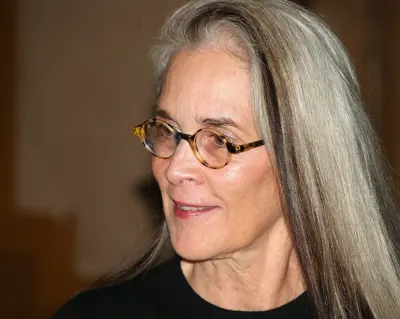
Susanna Moore is an American writer and teacher. Born in Pennsylvania but raised in Hawaii, Moore worked as a model and script reader in Los Angeles and New York City before beginning her career as a writer. Her first novel, My Old Sweetheart, published in 1982, earned a PEN Hemingway nomination, and won the Prize for First Fiction from the American Academy of Arts and Letters. She followed this with The Whiteness of Bones in 1989, and her third novel, Sleeping Beauties, in 1993. All three of these novels were set in Hawaii and charted dysfunctional family relationships.
