John Edgar Wideman Quotes
I don't understand why black people have been so quiescent, so passive over the hundreds of years of American history. Why hasn't there been more violence, more armed struggle? I know answers to some of that, but it seems to me it's an issue of faith, an abiding faith in some sort of great beyond, or great spirit, or even in the American dream.
Wideman, John Edgar. Conversations with John Edgar Wideman. Edited by Bonnie TuSmith, University Press of Mississippi, 1998.


During the slavery era, the Southern slave holders and politicians were always fearful of the possibility of slave uprisings. In most cases, they were dealt with locally with little attempt to share the information lest other slaves be motivated to follow the practice. In addition many of the slave rebellions of very small groups and individuals were not treated as a slave revolt or protest but was considered the act of a “bad apple” that was dealt with. Further, as much as the slave owners feared slave revolts, they also had a large investment in their slaves and executing all who might have supported a rebellion of a few could cost them a great deal of money or even bankrupt them. Therefore there was always a tendency to kill the leaders but provide lesser punishment for the others so that they could survive and return to work. All these factors have made it very difficult to accurately estimate the extent of slave revolts and protests in the ante-bellum South.


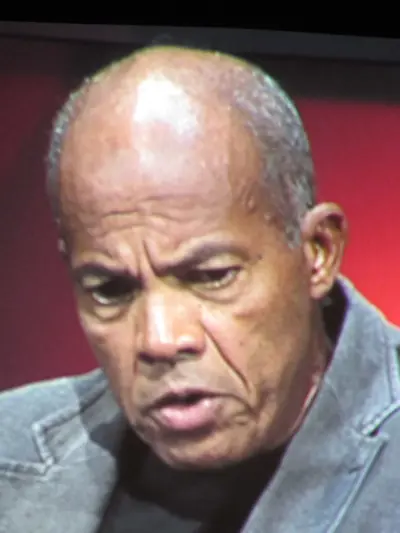
John Edgar Wideman is an American novelist, short story writer, memoirist, and essayist. He was the first person to win the PEN/Faulkner Award for Fiction twice. His writing is known for experimental techniques and a focus on the African-American experience.
