J. William Fulbright Quotes
I do not question the power of our weapons and the efficiency of our logistics; I cannot say these things delight me as the y seem to delight some of our officials, but they are certainly impressive.
Fulbright, J. William. The Arrogance of Power. Random House, 1966.


This was an official publication of the U. S. Army. The First World War had very little affect on future military preparedness At that time conservatives in Congress were very isolationist and military preparedness was not a high priority or even a significant political issue. The Democrats then were more supportive of military spending than the Republicans. It took World War II, for which America was very unprepared, to produce a change in public and political opinion regarding military preparedness.


Much of the Chinese military had been distracted from military readiness in favor of political, economic, and ceremonial, activity along with extensive economic corruption. The People’s Liberation Army is a major political force in China which made this a very noteworthy chastisement. Leading Generals were with him however. See {632518}.


See Napoleon Bonaparte for a similar view.


He has exactly right, but at the time there was much isolationist sentiment arguing against getting involved in “foreign wars”. To obtain the full industrial power of the United States, most of the manufacturing capability and raw materials would have to be taken from the civilian sector and devoted to military production. That would take men like Nelson, but primarily President Franklin Delano Roosevelt who would persuade the American people to make the immediate sacrifice to insure the future. See {642356} as an example.
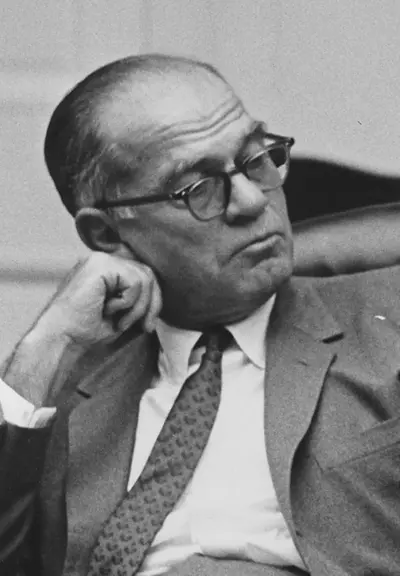
James William Fulbright was an American politician, academic, and statesman who represented Arkansas in the United States Senate from 1945 until his resignation in 1974. As of 2021, Fulbright is the longest serving chairman in the history of the United States Senate Committee on Foreign Relations. He is best known for his staunch multilateralist positions on international issues, opposition to American involvement in the Vietnam War, and the creation of the international fellowship program bearing his name, the Fulbright Program.
