Che Guevara Quotes
I do not imply that in the U.S plants, industrial plants, are places of exploitation where man is oppressed. 1 know that there are a great number of advantages here for too American worker.
Guevara, Ernesto "Che". Interview by Paul Niven, et al. Face the Nation, CBS, 13 Dec. 1964.

Labor reform was a burning issue in most of the industrialized countries of the world. The two areas that legislation was under consideration all over were working hours and child labor. There were no overtime provisions, employers were free to require workers to work 7 days for as many hours as they wanted. There were no limitations on the use of child labor. This is one of the classic conservative oppositions to these reforms. Ironically to us today, those against reform argued that it was disrespectful of the working man to take away his freedom to work whatever hours he so chose, and it was disrespectful of the workers role as a head of family to decide for him when and under what conditions his children could work. Germany at the time was a very dramatic example of the struggle as the Chancellor was opposed to all labor reform and Kaiser Wilhelm II felt that reforms were needed. The two most powerful Germans were split on this issue as were people in most countries.


Ten cents a day was a very low wage—it was about the equivalent of a meal at a tavern at the time. Workers throughout the country were outraged and give him a derogatory nickname—see Quotation 643585.


Steel workers were then paid $1.75 for a 9 hour day. This was earthshaking.
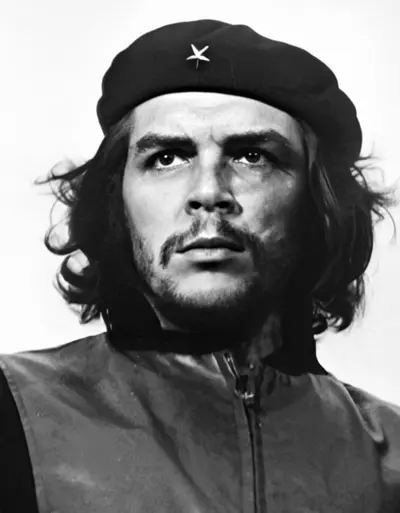
Ernesto "Che" Guevara was an Argentine Marxist revolutionary, physician, author, guerrilla leader, diplomat, and military theorist. A major figure of the Cuban Revolution, his stylized visage has become a ubiquitous countercultural symbol of rebellion and global insignia in popular culture.
