Walter Lippmann Quotes
Here lay the political genius of Franklin Roosevelt: that in his own time he knew what were the questions that had to be answered, even though he himself did not always find the full answer.
Lippmann, Walter. "Roosevelt Has Gone." New York Herald Tribune, 14 Apr. 1945.


In his relationship with FDR General Marshall was the Senior Army Officer and Chief of Staff of the Army during WWII. What was amazing about Marshall was how he argued forcefully from his narrower perspective as the leader of the army, but did not resent it when President Roosevelt decided differently citing wider, non-military consideration. Roosevelt had the almost unique ability to make decisions from the big picture perspective and have most of his subordinates with narrower responsibility and perspective accept understandingly.


He and his Prime Minister, John Majors, had become so unpopular, that they were forced to resign by their own Conservative Party and never had to be voted out of office.


Roosevelt promoted Eisenhower over more than 300 more senior generals and put him in charge of the American Forces invading North Africa—the first American combat in the war. In addition to commanding the American forces, he was also responsible for dealing with many leading politicians from Winston Churchill to the very difficult French General Charles De Gaulle. That is why Eisenhower was picked, and a brilliant pick it was.


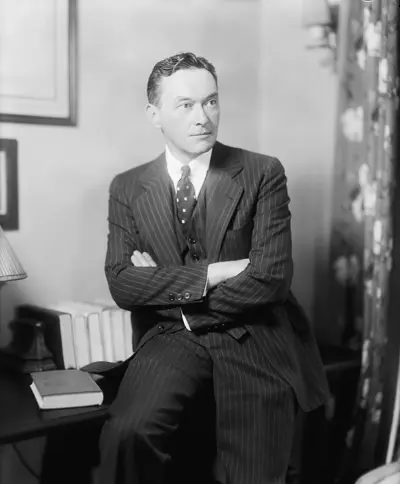
Walter Lippmann was an American writer, reporter and political commentator. With a career spanning 60 years he is famous for being among the first to introduce the concept of Cold War, coining the term "stereotype" in the modern psychological meaning, as well as critiquing media and democracy in his newspaper column and several books, most notably his 1922 book Public Opinion.
