Robert G. Ingersoll Quotes
He who commends the brutalities of the past, sows the seeds of future crimes.
Ingersoll, Robert G. "Some Mistakes of Moses." The Works of Robert G. Ingersoll, Volume II. Dresden Publishing Co., 1900, p. 25.


Named after penal reformer Johne Howard, 1726-1790. Howard Associations have since been organized in many countries.
He was finally brought to justice after being protected by the right wing for many years. He was sentenced to 25 years in prison. See related quote.
The White Boers viewed themselves as superior to the Blacks and the Blacks and Whites competed for land. In an early form of ethnic cleansing, the Boers attacked the undefended women and children of the Black tribes. The authorities opposed these atrocities but did not have any way of enforcing their orders.


The human rights abuses in the Belgian Congo were horrible. Natives who refused to work for the low wages were murdered or had their hands chopped off. The indigenous population was markedly reduced. Word of the atrocities started leaking out to Europe. It is not known whether the King really wanted any reform or just sent the instructions to cover himself. The instructions were not followed; the atrocities continued, and Leopold never took any steps to discipline his agents and minions. The Belgian Congo had the worst atrocities in the world until WWII.


First Published American Indian Author. His last public speech. He was referring to a horrible massacre of Christian Indians and the polarizing effect that such conflicts had. Whosoever publicly castigated a massacre of whites or Indians would be met by accusations of condoning the massacres of the other side and ignoring the inevitable and natural seeking of retaliation for future protection and revenge.


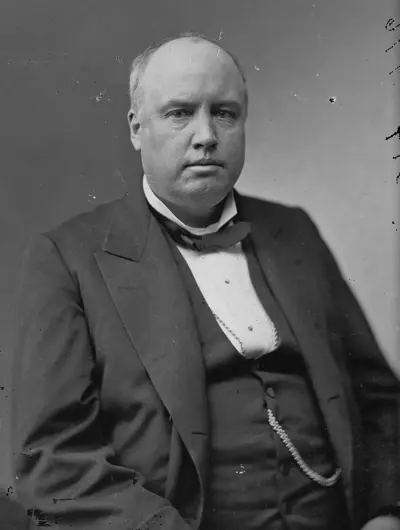
Robert Green "Bob" Ingersoll was an American lawyer, a Civil War veteran, political leader, and orator of the United States during the Golden Age of Free Thought, noted for his broad range of culture and his defense of agnosticism. He was nicknamed "The Great Agnostic". Ingersoll was considered to be the greatest orator and political thinker of his day, but his overt atheistic views curtailed his elected political career.
