Frances Wright Quotes
Equality! Where is it, if not in education? Equal rights! They cannot exist without equality of instruction.
Wright, Frances. Course of Popular Lectures. Office of the Free Enquirer, 1829.


He was one of those arguing for tha nation to award every American 15 pounds upon reaxhing the age of 18, This would allow the young man (it is not clear that this applied to females as well) to buy a basic start in life. A houirse, a gun, and the ability to buy a small plot of land. The proposal got lost in the events of the Revolution. The ancient middle age Jews had a custom whereby when a young man reached the age of 13, and could demonstrate that he was literate, and familiar with the Torah (1st 5 Books of the Old Testament which was for them the "law", he would be given gifts by his relatives and often the comminithy or congregation as a whole, so taht he had the wherewithall to start an adult life. Many of the founding fathers were very familiar with the Ancient Jewish Republic and some adopted a version of this.]


The 1964 Civil Rights Bill had as one of its greatest supporters Republican Minority Leader, Senator Everett Dirksen. His reasoning was:. The first sentence was Dirksen quoting Victor Hugo.


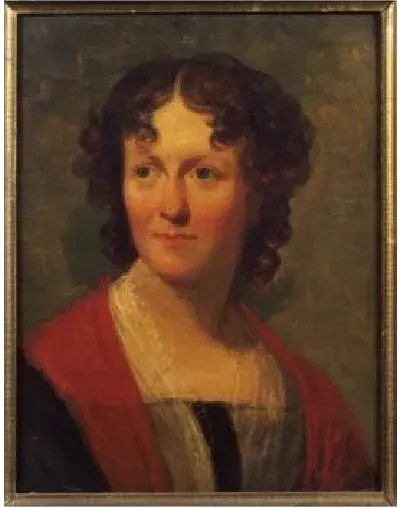
Frances Wright, widely known as Fanny Wright, was a Scottish-born lecturer, writer, freethinker, feminist, utopian socialist, abolitionist, social reformer, and Epicurean philosopher, who became a US citizen in 1825. The same year, she founded the Nashoba Commune in Tennessee, as a utopian community to demonstrate how to prepare slaves for eventual emancipation, but the project lasted only five years. In the late 1820s Wright was the first woman lecturer to speak publicly before gatherings of men and women in the United States about political and social-reform issues. She advocated universal education, the emancipation of slaves, birth control, equal rights, sexual freedom, legal rights for married women, and liberal divorce laws. Wright was also vocal in her opposition to organized religion and capital punishment. The clergy and the press harshly criticized Wright's radical views. Her public lectures in the United States led to the establishment of Fanny Wright societies and her association with the Working Men's Party, organized in New York City in 1829, became so strong that its opponents called the party's slate of candidates the Fanny Wright ticket.
