John Cooke Quotes
End Royal impunity.
Prior to Cooke’s indictment of English King Charles I, there was a concept of Royal Impunity—that a sovereign could not legally be called to account for his actions as ruler of the state. The concept of “sovereign immunity” was a concept where the sovereign and his agents could be given immunity for specific actions, but they never would have impunity again where there were no limits to the crimes they might commit against their own people. Charles I refused to even recognize Cooke’s indictment and so have heads of state called to account for their major crimes since then all the way down to Saddam Hussein in 2006 who made the same argument. Cooke was himself hanged, drawn and quartered almost 20 years after the Charles I trial for his part in the “Regicide” so the concept of Royal Impunity did not die quickly.
John Cooke, 1608–1660, English Solicitor General & Prosecutor of King Charles I, Statement regarding the indictment of King Charles I, 1641, Quoted in Geoffery Robertson, The Tyrannicide Brief
Sourced by: Eigen's Political and Historical Quotations


Typical of the times, the king was accountable to no one for anything. 200 years later, most of the world have accepted the principle that no one is above the law and that every leader is accountable to the people.

The statement so offended the Lords—the highest court of England—that he was imprisoned by the Lords and not released until he had recanted the position. The argument goes on today in many countries incuding the United States.


This was written shortly before he assumed the crown.

The revolution turned on many of its initiators including Vergniaud. He was guillotined along with other Girondists.


Note that the Queen always used the 3rd person rather than the 1st when referring to herself. This was true of most of the leading public figures in England at the time. Although she detested Gladstone, she gained control of her feelings and did her duty and “sent for” him to form the Government. She was personally delighted when, as she predicted, his government then had political difficulties.


Many American colonists had relatives and friends in England, and Paine argued that American independence would help and not het the English people.


Sir Walter was imprisoned in the Tower of London for 13 years, during which time he turned to historical pursuits.
James just before he became king was very much aware of the unpopularity of the concept of sovereign immunity and the danger of an English King acting against traditional law of the land however, James did not wish to set at precedent that the king was bound by any way and subject the law of his inferiors. He seemed to find a brilliant solution:

This newspaper was his communications outlet.
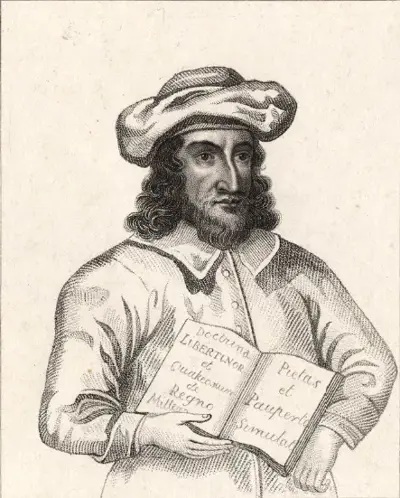
John Cook was the first Solicitor General of the English Commonwealth and led the prosecution of Charles I. Following The Restoration, Cook was convicted of regicide and hanged, drawn and quartered on 16 October 1660. He is considered an international legal icon and progenitor of international criminal law for being the first lawyer to prosecute a head of state for crimes against his people.
