Charles Manson Quotes
Did I kill anyone?
Manson, Charles. Interview by Charlie Rose. Nightwatch, CBS, 21 Nov. 1986.


The Egyptian Muslim Brotherhood had won the first democratic election, but they proceeded to use their majority to deny rights to others. Massive demonstrations against the government, with the Egyptian military support deposed the Brotherhood President and government. The Brotherhood then took to the streets, demonstrating against the ousting of their elected government. After more than a week of constant demonstrations and the blockage of many streets, the new military appointed government authorized the police to clear the streets. Some of the Brotherhood were armed and killed over 40 police and several hundred demonstrators were also killed with each side blaming the other for “starting” the violence. The vice president was a strong opponent of the Muslim Brotherhood and supported and called for the ousting of their undemocratic, albeit elected, government. However he also supported their right to protest in the streets and condemned the use of force.


The admiral, who was the intellectual leader of the junta during the “Dirty War,” confessed to the facts but claimed that the drastic steps were appropriate and necessary. Further, that there was no “guilt” involved in an act of executive necessity. The court did not agree and he was convicted, but was later pardoned along with the other war criminals by President Carlos Menem.

Nathaniel Gordon was the first American slave trader to be executed after the slave trade was made illegal. The Erie was his slave ship where, as was typical, many of the captured Blacks, died as a result of the inhuman conditions. Although Gordon was the first person executed in America, the act making the slave trade an act of piracy dated from 1820. See {68753} .


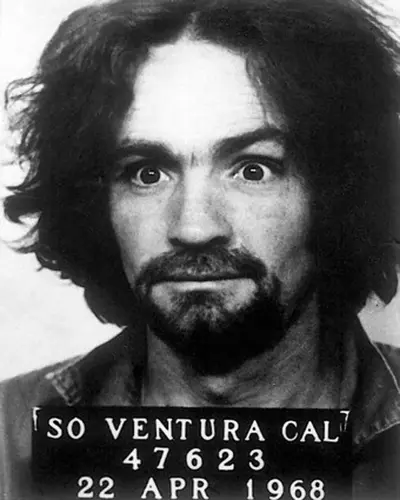
Charles Milles Manson was an American criminal and cult leader. In mid-1967, he formed what became known as the "Manson Family", a quasi-commune based in California. His followers committed a series of nine murders at four locations in July and August 1969. Although the motive for the murders was disputed by Manson, the Los Angeles County District Attorney believed that Manson intended to start a race war. In 1971, he was convicted of first-degree murder and conspiracy to commit murder for the deaths of seven people, including the film actress Sharon Tate. The prosecution contended that, while Manson never directly ordered the murders, his ideology constituted an overt act of conspiracy.
