Peter Drucker Quotes
Child labor in the industrial system is destructive and vicious, and that the employment of children in industry has to be forbidden. But this does not solve the problem of the child in industrial society.
Peter Drucker, Management Expert, The New Society, 1949
Sourced by: Eigen's Political and Historical Quotations


This quotation not only illustrates Ford’s wide ranging concern about public affairs but illustrates that the addictive properties of cigarettes were known long before the cancer and other disease causing properties of tobacco were understood. Yet the addictive properties were the last deleterious effects of smoking that the tobacco companies would admit to. At the end of the 20th century, the CEO’s of the major tobacco company all lied to Congress in hearings, claiming that cigarettes were not addictive. Ford and millions of people knew better generations ago.


Debs had unconstitutionally been arrested and jailed for opposing American entry into World War I. He was later pardoned by President Warren G. Harding.


He in that same year then persuaded sympathetic MP, John Hobhouse, to introduce the first bill into the House of Commons regulating child labor in the mills. Considered radical in its day, forbade employment of children under the age of 9 from working in the mills, and then limited the hours that children from 9 to 18 to 12 hours a day. The bill was rejected with the same claims that have been made regarding child labor reform attempts ever since. It would slow growth, harm the economy, exacerbate the poverty of poor families and interfere with the parents right to bring up their children. It was not until after his death in 1861 that meaningful child labor laws were passed for the British mills.


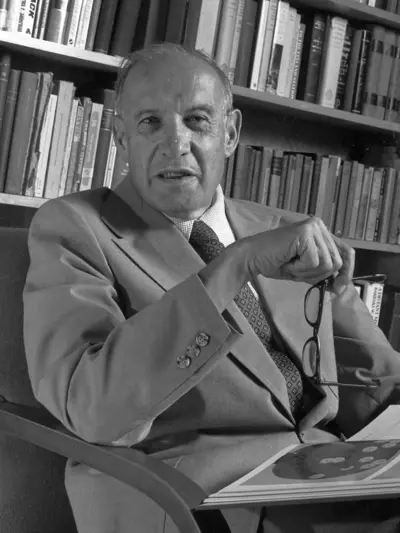
Peter Ferdinand Drucker was an Austrian management consultant, educator, and author, whose writings contributed to the philosophical and practical foundations of the modern business corporation. He was also a leader in the development of management education, he invented the concept known as management by objectives and self-control, and he has been described as "the founder of modern management".
