Polybius Quotes
Can any one be so indifferent or idle as not to care to know by what means, and under what kind of polity, almost the whole inhabited world was conquered and
brought under the dominion of the single city of Rome, and that too within a period of not quite fifty-three years?
Polybius. The Histories of Polybius. Translated by Evelyn S. Shuckburgh, vol. 1, Macmillan and Co., 1889, p. 2.


He didn’t quite conquer the whole world, but he did control most of it. One substantial difference between him and others, is that the Mongols were not interested in managing an Empire, All they wanted was an annual payment of tribute, and if that were forthcoming, the left the conquered cities and kingdoms to their own management and governance.


Patton was a great fighting general, but a disaster at civilian and public relations. At a time when the American and British governments were arguing that their involvement in world war two was for the benefit and protection of mankind, Patton made public statements like this one.


Xerxes was as the Texans say, “All hat and no cattle.” He had delusions of grandeur and was quite unsuccessful as a conqueror.

Cromwell had died and Charles II had not yet regained power.


The Byzantine emissary had pointed out that Mehmed’s predecessors had signed a treaty agreeing to “consult” with Constantinople before building any fortified structure in the area surrounding Constantinople. Mehmed was only 19 years old at this time. His intention f building a fort was to have a platform from which to attack and capture Constantinople itself which he did 2 years later. Earlier, the Eastern Roman Empire was much stronger and the Ottoman sultans were more cautious in dealing with them. However, the various Christian factions were all feuding with each other, and Mehmed II, despite his youth, was much better organized and was a better leader than his predecessors.


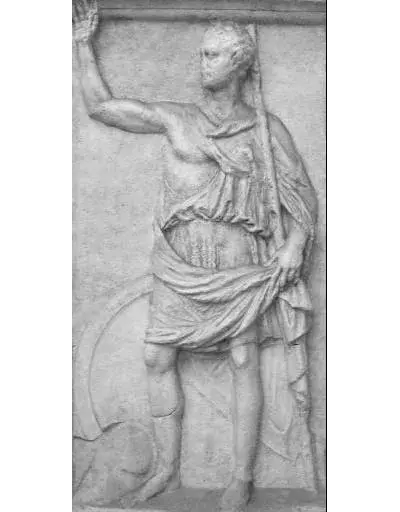
Polybius (/pəˈlɪbiəs/; Greek: Πολύβιος, Polýbios; c. 200 – c. 118 BC) was a Greek historian of the Hellenistic period noted for his work The Histories, which covered the period of 264–146 BC in detail. The work describes the rise of the Roman Republic to the status of dominance in the ancient Mediterranean world. It includes his eyewitness account of the Sack of Carthage and Corinth in 146 BC, and the Roman annexation of mainland Greece after the Achaean War.
