William H. Seward Quotes
But the Constitution was made not only for southern and northern states, but for states neither northern nor southern, namely, the western states, their coming in being foreseen and provided for.
Seward, William H. The Works of William H. Seward. Edited by George E. Baker, vol. 1, Redfield, 1853, p. 67.


George W. Bush. See {618119} for the rejoinder to the defense.

Note the perception of Davis, typical of Southerners at the time, that Southerners were being excluded from California. The logic was this: California had many opportunities in land, gold, and other natural resources. Since California had a Constitutional provision against slavery, no Southerner could enter the new state with his slaves without fear of their being set free. If Southerners bought land or wanted to hunt for gold, they could not bring their slaves to do the heavy work. Therefore, they were excluded from the economic growth of the state. The idea of the whites doing the heavy work themselves of traveling without their family slaves was so foreign to the aristocratic planter class, that it was never considered by them as a possibility. Therefore, they were excluded. However, many of the lower class Southerners of all races saw great opportunities in California where they could compete on an equal footing even though they had no slaves or land.

This hypocrisy and insincerity was seen for what it was by the Radical Republicans, Abolitionists and the newly freed slaves themselves. See {617728} and {617339}. However, this approach soon was adopted as the “party line” by intellectual Southerners of the time, and has continued to this day. The rebellion that caused the deaths of more Americans than all the rest of our wars, was not as they stated it caused by any conflict over slavery, no economic causes, no differences in labor philosophies and trade, no contention over control of new territories, but was simply an attempt to vigorously support and defend the Constitution. However, one advantage to using this story as an explanation of the bloody rebellion, was that the defeated Southerners could see their acts as somewhat nobly motivated.


Jackson was reacting to the claimed right of South Carolina to nullify Federal tariffs and other Federal laws.
Soon after Jackson's reelection, delegates from South Carolina, led by John C. Calhoun, moved quickly to declare "null, void, and no law" the Tariff Act of 1832. The president's reaction to the Ordinance of Nullification was swift.


In the 1787 Constitutional Convention in Philadelphia, the delegates agreed that the there would be no official transcript and that the debates were to be kept secret:


Dix finally broke with the Democrats over the slavery question and became a Republican.

Conason was refuting the argument of Presidential Press Secretary Ari Fleischer {618120} who had used the secrecy of the Constitutional Convention in 1789 to justify the Vice President’s secret meetings with energy businessman to make government energy policy.
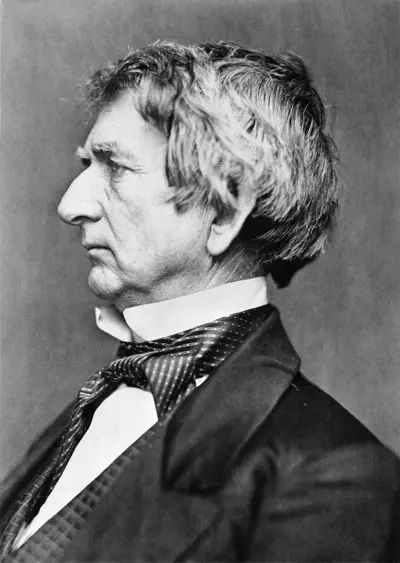
William Henry Seward was United States Secretary of State from 1861 to 1869, and earlier served as governor of New York and as a United States Senator. A determined opponent of the spread of slavery in the years leading up to the American Civil War, he was a prominent figure in the Republican Party in its formative years, and was praised for his work on behalf of the Union as Secretary of State during the Civil War.
