Sinclair Lewis Quotes
Babbitt spoke well--and often--at these orgies of commercial righteousness about the "realtor's function as a seer of the future development of the community, and as a prophetic engineer clearing the pathway for inevitable changes"--which meant that a real-estate broker could make money by guessing which way the town would grow. This guessing he called Vision.
Politicians also like to take and are often given credit for perspicacity and vision when they have guessed right. They and the world generally pay less attention to the incorrect guesses. In business the ones who guess wrong often go out of business and we rarely refer to them thereafter. But the successful guessers are around to remind all of their “vision”. In politics, however, few politicians who guess wrong on policy matters lose their positions. They simply never refer to their wrong guesses, but never let their constituency forget about their “vision” where they have guessed right.
Sinclair Lewis, 1885-1951, Nobel Laureate in Literature, Babbitt
Sourced by: Eigen's Political and Historical Quotations


He is absolutely right, but unfortunately made this statement several years after he served as the Fed Chairman. He never made a statement like this when he and his colleagues made their policies based on their economic forecasting. Central bankers have generally felt that one of their jobs was to give the people confidence in the nation’s banking system and economy and the admission that much policy making was based on “coin toss” forecasting.


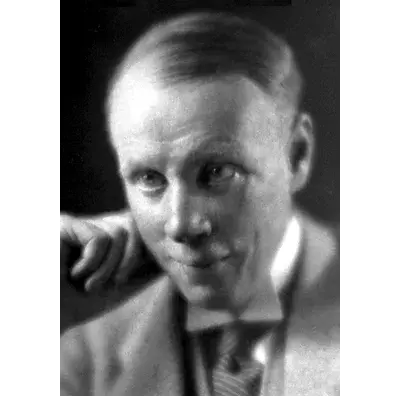
Harry Sinclair Lewis was an American writer and playwright. In 1930, he became the first writer from the United States (and the first from the Americas) to receive the Nobel Prize in Literature, which was awarded "for his vigorous and graphic art of description and his ability to create, with wit and humor, new types of characters." His works are known for their critical views of American capitalism and materialism between the wars. He is also respected for his strong characterizations of modern working women. H. L. Mencken wrote of him, "[If] there was ever a novelist among us with an authentic call to the trade ... it is this red-haired tornado from the Minnesota wilds."
