Martin Luther Quotes
as a barrier between the central government and the respective states and their citizens.
A Bill of Rights was needed Left before it ended.
Martin Luther, 1748-1826, Maryland Attorney General, Maryland Delegate to the Constitutional Convention "To The Landholder," The Maryland Journal, March 21, 1788
Sourced by: Eigen's Political and Historical Quotations


The 10th Amendment was created to take care of this objection which Jefferson and many others had.

At the time most of the members of Congress were worried about the “General Government”—their term for the Federal Government---than they were, the state governments from which they had come and were in their minds represented. If would be almost a century before it was generally accepted that the States themselves must follow the Constitution and its amendments. Madison was way ahead of his time, and saw that rights must be protected from all levels of government.


The issue was could a person from another state come into New Jersey and dredge oysters with the same rights and privileges as a citizen of New Jersey? Washington said, no.


The 100,000 Mormons in the Utah Territory rebelled at the hostile Federal officials coming into Utah to run things without the consent of the citizens of the territory. It was a cry for the territorial version of States’ Rights.


Mason’s view prevailed. What is interesting is that Mason saw the State as the State Legislature as opposed to the people of the state directly voting for the Senators as we do today.
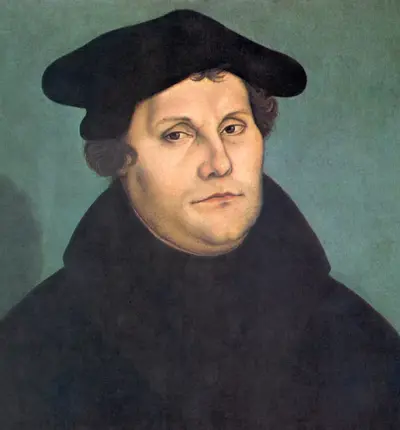
Martin Luther, O.S.A. was a German professor of theology, priest, author, composer, Augustinian monk, and a seminal figure in the Reformation. Luther was ordained to the priesthood in 1507. He came to reject several teachings and practices of the Roman Catholic Church; in particular, he disputed the view on indulgences. Luther proposed an academic discussion of the practice and efficacy of indulgences in his Ninety-five Theses of 1517. His refusal to renounce all of his writings at the demand of Pope Leo X in 1520 and the Holy Roman Emperor Charles V at the Diet of Worms in 1521 resulted in his excommunication by the pope and condemnation as an outlaw by the Holy Roman Emperor.
