Thomas J. Fleming Quotes
Alexander Hamilton set of the Bank of America exactly on the model of the Bank of England which had been so successful…. It was emergency surgery and a time when America was almost expiring.
The State and local bankers and financers had opposed this of course as they often made money when everyone else including the government was broke and paid very high interest rates to borrow anything. Later, under Andrew Jackson, the Bank of the United States was ended. Later it was recreated and has evolved to the Federal Reserve System. However, as in Jackson’s day, populists and local bankers and financiers still argue against the idea of a national or central bank.
Thomas J. Fleming, Historian, C-SPAN, Book TV, October 17, 2011
Sourced by: Eigen's Political and Historical Quotations


When the general retired, he took a position on Wall Street for which some claimed he was unqualified.


At the time, there was no United States currency. Private banks in some of the states issued their own money. A dollar from Georgia might only be worth 75 cents in New York.

The Federal Reserve has by law a great deal of confidentiality, including restrictions on the right of Congress to audit the Federal Reserve. Democratic and Republican administrations and most members of Congress have thought that a few members of Congress would abuse any audit powers they would be given and that they are less to be trusted than the Federal Reserve Board.


The alternative would have been for the colonies to borrow English money at high interest rates and use that. Or use money from private banks (which occurred later.) Many conservatives are today a little shocked that some of the American Colonies just printed money with no backing but it worked—at least at the local level. A Boston Bank for example, would take a large commission for a Bostonian to convert Pennsylvania money into Massachusetts money. So it was not a very good system for trade between colonies and International trade. But English money was used for that. The colonists pragmatically got the “best of both worlds” and paid as little interest as they needed to. This system is essentially what we use today on a national scale with no gold or silver backing of the money.
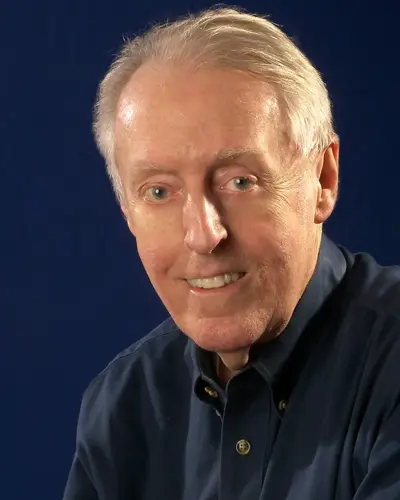
Thomas James Fleming was an American historian and historical novelist and the author of over forty nonfiction and fiction titles. His work reflects a particular interest on the American Revolution, with titles such as Liberty! The American Revolution And The Future Of America, Duel: Alexander Hamilton, Aaron Burr, and the History of America and Washington's Secret War: The Hidden History of Valley Forge.
