C. Vann Woodward Quotes
Above all, every member of the university has an obligation to permit free expression in the university. No member has a right to prevent such expression. Every official of the university, moreover, has a special obligation to foster free expression and to ensure that it is not obstructed.
Woodward, C. Vann. Report of the Committee on Freedom of Expression at Yale. Yale University, 23 Dec. 1974.


She was dealing with a serious campus situation where an invited speaker, Chief of Police Kelly of New York City was prevented from giving his p resentation on the controversial “Stop and Frisk” rules by student protesters who opposed the practice. Brown’s tradition of hearing anyone on the campus regardless of point of view had been broken to the distress of most students, faculty and alumni.

He was announcing that a lecturer Kevin Barrett would not be fired from the University. Barrett had taken the position with his students that the 9-11 attack on the World Trade Center could not have been done by a handful of terrorists and it must have done by or with the complicity and help of forces inside the United States government. There had been outrage throughout the country with demands by many politicians for his ouster. The University did not bend to the political pressure even in the case where there was such an outrageous and incorrect view.


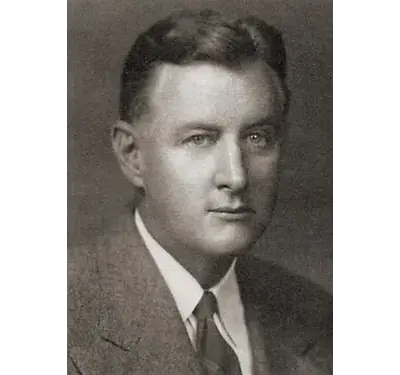
Comer Vann Woodward was a Pulitzer-prize winning American historian focusing primarily on the American South and race relations. He was long a supporter of the approach of Charles A. Beard, stressing the influence of unseen economic motivations in politics. Stylistically, he was a master of irony and counterpoint. Woodward was on the left end of the history profession in the 1930s. By the 1950s he was a leading liberal and supporter of civil rights. His demonstration that racial segregation was a late-19th-century invention rather than some sort of eternal standard made his The Strange Career of Jim Crow into "the historical Bible of the civil rights movement", said Martin Luther King Jr. After attacks on him by the New Left in the late 1960s, he moved to the right politically.
