Clark M. Clifford Quotes
A man who understands the power of the Presidency, who understands the potential of the Presidency, can get almost anything accomplished.
Clark M. Clifford, 1906-1998, U. S. Secretary of Defense (Democrat), Special Counsel to the President, PBS interview with Bill Moyers, 1981
Sourced by: Eigen's Political and Historical Quotations

Referring to President Bush's winning a roll-call vote in the House on lowering the capital gains tax:


Referring to President Lyndon B. Johnson


John Foster Dulles was the Secretary of State and brother Allen Dulles was head of the CIA.


Reagan, Ford, Nixon, Clinton


Alberto Gonzalez, White House Counsel and later Attorney General who was forced to resign and David S. Addington, Counsel to the Vice President, had come up with a novel view of the powers of the presidency. They argued that since the President is the Commander in Chief, in a war situation or intelligence gathering thereto, has the Constitutional responsibility for that function, he need not obey any laws of Congress as in the conduct of the war Congress would be impinging on the Constitutional separation of powers which itself was prohibited by the Constitution. The argument did not find any significant legal support but for a while the George W. Bush White House behaved as if this were the law, despite the fact that even in the American Revolution and the War of 1812 Congress passed laws regulating the conduct of the armed forces as is provided for in other parts of the Constitution. Yet even Goldsmith would allow the President some powers that many think are unconstitutional and/or belong to Congress. See {32436}.
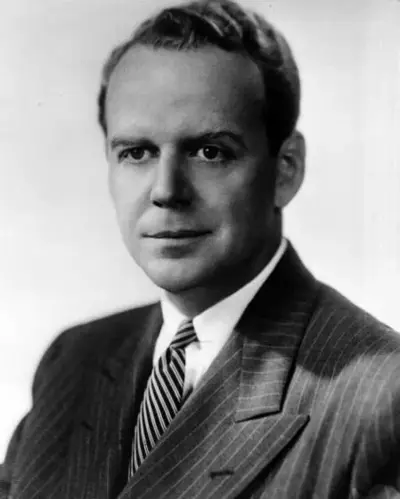
Clark McAdams Clifford was an American lawyer who served as an important political adviser to Democratic presidents Harry S. Truman, John F. Kennedy, Lyndon B. Johnson, and Jimmy Carter. His official government positions were White House Counsel (1946–1950), Chairman of the President's Intelligence Advisory Board (1963–1968), and Secretary of Defense (1968–1969); Clifford was also influential in his role as an unofficial, informal presidential adviser in various issues. A successful Washington lawyer, he was known for his elite clientele, charming manners, and impeccable suits.
