Publius Flavius Vegetius Renatus Quotes
A handful of men, inured to war, proceed to certain victory, while on the contrary, numerous armies of raw and undisciplined troops are but multitudes of men dragged to the slaughter.
Vegetius Renatus, Flavius. The Military Institutions of the Romans. Translated by John Clarke, edited by Thomas R. Phillips, Military Service Publishing Company, 1944, p. 10.


The three leading “hawks” of the administration and the architects of the Iraq War. However, not only had none of them ever been in combat, but none had ever served on active duty in the military. None of the three had been drafted or enlisted during the Vietnam war except for Bush who was accepted into the Texas Air National Guard; parts of his service record has been last, but he never was outside the United States. Murtha, John Kerry, John McCain and many of the administration's critics were all decorated war heroes who had been wounded in action.

This quotation is very controversial among historians. Beverly was in a sense the first American historian, although he had no formal training. His extolling the military and sharpshooting virtues of his fellows may or may not have been an exaggeration both as to their skill with firearms and their ability as soldiers. There is much evidence that only a minority of the people of Virginia possessed firearms at the time yet Beverly’s image is the one that has come down to us in the romanticized view of early America. Even fellow Virginian, George Washington {613056} complained that his Virginia civilians made poor soldiers compared with “regulars” who had been trained to shoot, and when Virginia militia reported for duty less than one quarter had firearms which were very expensive and not very accurate at the time.


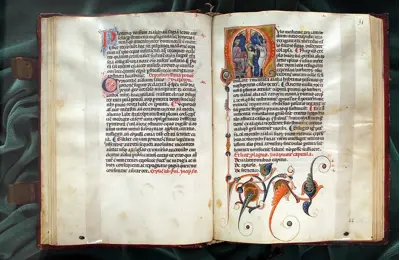
Publius Flavius Vegetius Renatus, commonly referred to simply as Vegetius, was a writer of the Later Roman Empire (late 4th century). Nothing is known of his life or station beyond what is contained in his two surviving works: Epitoma rei militaris (also referred to as De re militari), and the lesser-known Digesta Artis Mulomedicinae, a guide to veterinary medicine. He identifies himself in the opening of his work Epitoma rei militaris as a Christian.
