Kurt Vonnegut Quotes
1492. As children we were taught to memorize this year with pride and joy as the year people began living full and imaginative lives on the continent of North America. Actually, people had been living full and imaginative lives on the continent of North America for hundreds of years before that. 1492 was simply the year sea pirates began to rob, cheat, and kill them.
Vonnegut, Kurt. Breakfast of Champions. Delacorte Press, 1973, p. 10.


He had done an analysis of American History textbooks and found that 9 pages about American Indians and their history before and after Europeans came to America. He and most other historians consider that to be inadequate.


This quotation is often used as the greatest evidence the white usurpation of Indian land and the dubious value of all the treaties that had been made with the Indians guaranteeing them specific lands. Jackson, however, was not completely accurate. The Iroquois who fought on the American side in the Revolution were still on their lands in New York State. However, the Iriquois had their dealings with the State and local governments, and fared better than those tribes that depended in the Federal Government—especially with racists like Jackson in the Presidency.

Gold had been discovered in the Black Hills lands that were sacred to the Lakota Sioux and were reserved for exclusive use of the Indians by the Fort Laramie Treaty. Greedy whites, ignoring the treaty provisions not only entered the Black Hills to pan and mine for the gold, but killed many Indians they ran across Sherman was angry and wrote to his old friend President Grant. Grant, now a political, had to contend with public opinion that thought it absurd that gold should not be mined because a few Indians regarded the land as sacred. Meanwhile Grant was working with a few others to portray minor clashes between whites and Indians in the Black Hills as violent and dangerous Indians breaking the treaty.


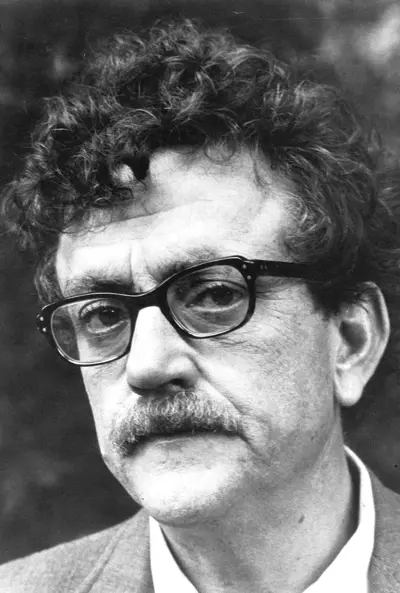
Kurt Vonnegut Jr. was an American writer. In a career spanning over 50 years, he published 14 novels, three short story collections, five plays, and five nonfiction works, with further collections being published after his death.
