MOCTEZUMA I
The Stoning coincidence for adultery between the Old Testament in Europe and the Middle East and the Aztecs of Mexico was probably nothing more. There is no evidence of any kind that the Aztecs of this period knew anything about the Bible.
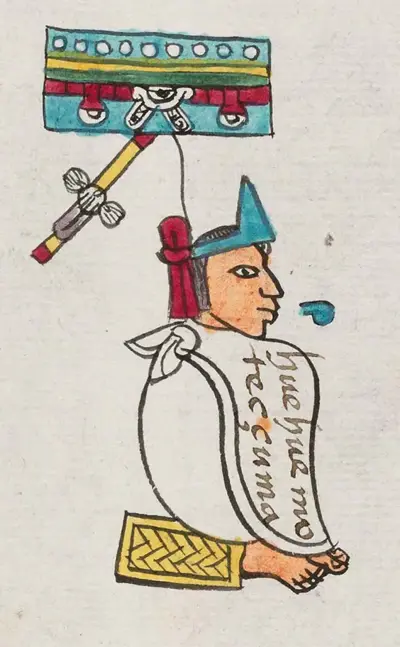
Moctezuma I (c. 1398–1469), also known as Moteuczomatzin Ilhuicamina (modern Nahuatl pronunciation (help·info)), Huehuemoteuczoma or Montezuma I (Classical Nahuatl: Motēuczōma Ilhuicamīna [moteːkʷˈsoːma ilwikaˈmiːna], Classical Nahuatl: Huēhuemotēuczōma [weːwemoteːkʷˈsoːma]), was the second Aztec emperor and fifth king of Tenochtitlan. During his reign, the Aztec Empire was consolidated, major expansion was undertaken, and Tenochtitlan started becoming the dominant partner of the Aztec Triple Alliance. Often mistaken for his popular descendant, Moctezuma II, Moctezuma I greatly contributed to the famed Aztec Empire that thrived until Spanish arrival, and he ruled over a period of peace from 1440 to 1453. Moctezuma brought social, economical, and political reform to strengthen Aztec rule, and Tenochititlan benefited from relations with other cities.
