JOHN ARMSTRONG JR.
The Southern Department had virtually no provisions or military organization. Gates tried his best but was defeated by the British.
The Continental Congress had treated the army poorly throughout the war with few provisions, erratic pay, and little understanding of the reality of the war effort. He addressed the senior officers of the army urging that the army not disband as Congress had ordered until there was some assurance that they should be reasonably treated and that they would not become public charges. Many had lost everything they owned, not being able to tend their farms or businesses; others were wounded and permanently handicapped. The officers did not follow Armstrong and instead followed the lead of George Washington and returned to civilian life in good faith, but as Armstrong had predicted, Congress did little to compensate the army. Despite his urging disobedience to Congress, once the Constitution was ratified and the government became more stable, Armstrong received several major Presidential appointments and was confirmed by the Senate which he had so castigated.
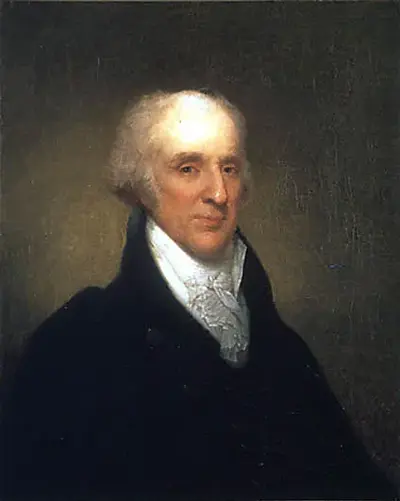
John Armstrong Jr. was an American soldier and statesman who was a delegate to the Continental Congress, U.S. Senator from New York, and Secretary of War.
