BOOK OF TIMOTHY
(pastoral epistles)
This Biblical passage has been frequently used to justify discrimination against women.
This is one of the biblical passages which cause some Christian Fundamentalists to prescribe a secondary and subjugated role for women. Also the view that women, like children, should be seen and not heard. Also it supports those who object to women in the ministry or the priesthood or in senior teaching positions. See {587063}. It is useful to note that much of Islam which preaches a similar view of females, probably learned it from Christianity which preceded Islam by almost 600 years.
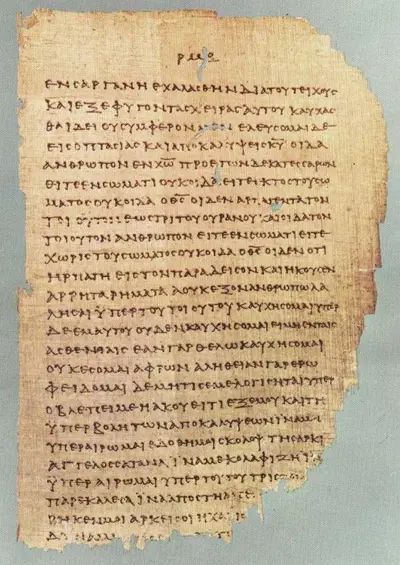
The pastoral epistles are a group of three books of the canonical New Testament: the First Epistle to Timothy (1 Timothy) the Second Epistle to Timothy (2 Timothy), and the Epistle to Titus. They are presented as letters from Paul the Apostle to Timothy and to Titus. They are generally discussed as a group (sometimes with the addition of the Epistle to Philemon) and are given the title pastoral because they are addressed to individuals with pastoral oversight of churches and discuss issues of Christian living, doctrine and leadership. The term "pastorals" was popularized in 1703 by D. N. Berdot and in 1726 by Paul Anton. Alternate nomenclature for the cluster of three letters has been proposed: "Corpus Pastorale," meant to highlight the intentional forgery of the letters as a three-part corpus, and "Letters to Timothy and Titus," meant to emphasize the individuality of the letters.
